If you live in Florida or anywhere humid, you know mildew and mold love your exterior walls. The good news: mildew resistant exterior paint is designed to fight back. Let’s walk through how it works, what makes it effective, and how to pick the right one for your home.
How Mildew Resistant Exterior Paint Actually Works
Mildew resistant exterior paint doesn’t just look pretty. It has additives built in that stop mold and mildew from taking hold on your painted surfaces.
Related: Cost to Paint Exterior Trim: What to Expect
The hero ingredient is mildewcide. These additives are mixed into quality exterior paints at the factory, or you can buy them separately and add them yourself. Mildewcide creates an environment where mildew spores can’t settle and grow.
Here’s the thing: not all exterior paints are created equal. Cheaper paints might skip the mildewcide altogether. Premium-quality exterior paints almost always include it because they’re built for durability and real-world conditions, especially in wet climates.
The Finish Matters More Than You’d Think
Want to know a secret that separates homeowners who stay mildew-free from those who don’t? The finish you choose makes a huge difference.
Low-gloss finishes are your friend in humid climates. Semi-gloss and satin finishes work too, but they can trap more moisture than a flat or matte option. The reason is simple: glossy surfaces tend to hold onto dampness longer, and that’s a mildew invitation.
Flat paint isn’t always ideal for exteriors because it’s harder to clean, but if you live in a truly humid area and you’re willing to maintain it, a flat or matte finish can reduce mildew risk. Most homeowners find that a good satin or eggshell finish strikes the right balance between mildew resistance and easy cleaning.
Quality Paint + Right Primer = Better Protection
Here’s what professionals know: the best results come from pairing a quality primer with mildew resistant exterior paint.
Some products come as paint-and-primer-in-one, which is convenient. They combine everything in a single product. However, if you’re dealing with stained, dark, or porous surfaces, a separate primer often gives you better coverage and adhesion.
Related: Oil Based vs Water Based Paint: Which Should You Choose?
Why does this matter? A solid primer seals the surface and gives the topcoat a clean foundation to bond to. When the topcoat sticks properly, it lasts longer and performs better against moisture and mildew.
If you’re unsure whether your home needs one coat or two, or whether a primer is worth the extra step, Nu-Trend Painting Inc can evaluate your exterior during a free consultation and walk you through exactly what your situation calls for.
Prep Work Is Half the Battle
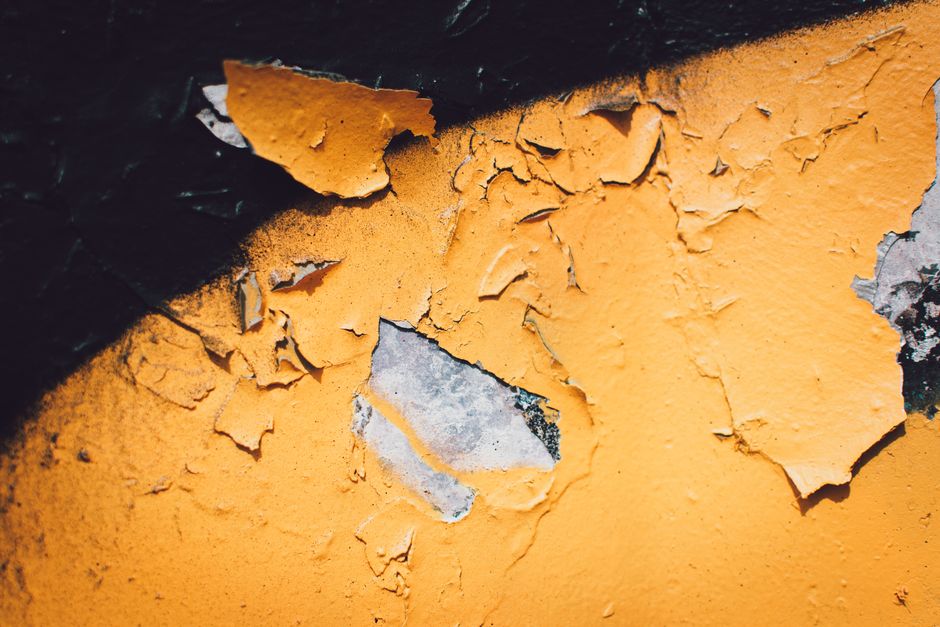
Here’s something a lot of homeowners underestimate: you can use the best mildew resistant exterior paint in the world, but if the surface isn’t prepped, it won’t perform.
Before any paint touches your walls, the surface needs to be clean and dry. Existing mildew, mold, algae, or dirt will create a barrier between the paint and the substrate. Your new paint can’t bond properly, and old mildew will keep coming back underneath.
Pressure washing is the standard prep method. It removes years of buildup, dead paint, algae, and mildew spores. After washing, let surfaces dry completely before painting. Depending on humidity, that might be 24-48 hours.
If you spot active mold or mildew, some homeowners treat it with a mild bleach solution or mold-killing cleaner before pressure washing. This step prevents future regrowth and gives your new paint the cleanest possible base.
Climate and Location Drive Your Paint Choice
Not all exterior paints are the same because not all climates are the same. Florida’s hot, humid, salt-air environment is very different from a dry climate.
Related: Best Exterior House Colors for Florida Homes
Related: How to Choose Exterior Paint Colors for Your Home
Related: When to Repaint the Exterior of Your House
In humid areas, look for paints specifically formulated for mildew resistance. The label should say it clearly. Professional-grade paints, the kind contractors use, often have stronger mildewcide packages than consumer homeowner paints.
If you’re near the coast, salt spray adds another layer of challenge. Some mildew resistant exterior paints are also designed to resist salt corrosion and UV fading. These hold up longer and look better for years.
Pinellas County has unique weather patterns. Afternoon storms, high humidity, and strong sun exposure mean your paint has to work hard. When you’re ready to repaint, Nu-Trend Painting Inc knows these conditions inside out and can recommend paint formulations that perform in your specific neighborhood.
When to Repaint: Signs You Need a Fresh Coat
Mildew resistant exterior paint does fade and wear over time. Most quality exterior paint lasts 7-10 years in Florida’s climate, sometimes less if you’re in a shady, perpetually damp area.
Signs it’s time to repaint: visible mildew or mold returning despite cleaning, peeling or flaking paint, chalky residue on your fingers when you rub the wall, or a faded, washed-out appearance.
Shaded areas of your home are mildew magnets. North-facing walls, areas under trees, and spots with poor air circulation tend to develop mildew faster than sunny walls. You might need to repaint these areas sooner than the rest of your house.
Professional Application Makes a Difference

This is worth saying out loud: even the best mildew resistant exterior paint won’t perform if it’s applied poorly.
Application matters because the paint film needs to be even, smooth, and fully adhered to the substrate. Thin spots, missed areas, or improper technique will fail faster and leave you vulnerable to mildew.
Professionals have the right equipment, knowledge of drying times and temperature conditions, and experience applying paint in humidity. They know when atmospheric conditions are wrong for painting (too humid, too hot, rain coming) and how to adjust.
If you’d rather not tackle this yourself, Nu-Trend Painting Inc handles exterior painting throughout St. Petersburg and Pinellas County with a focus on precision prep work and proper application.
Budget and Cost Factors to Know
Mildew resistant exterior paint costs more upfront than basic paint, but it lasts longer and performs better in humid climates. That means fewer repaints down the road and less worry about mold damage.
The total cost of an exterior painting project depends on several things: the size of your home, the current condition of the surfaces, how many coats you need, the amount of prep required, and which paint quality you choose.
Larger homes cost more than smaller ones. Surfaces in poor condition need more prep, which adds time and labor. Adding extra coats for better coverage and durability increases the investment. Choosing a professional-grade paint with stronger mildewcide costs more than budget options.
The best way to understand your budget is to get a free estimate. You’ll see exactly what your home needs and what different quality levels cost.
Maintenance After Painting
You’ve invested in quality mildew resistant exterior paint. Now keep it working for you.
Light cleaning every year or two keeps algae and mildew from building up. A soft brush with mild soap and water, or a gentle pressure wash on low setting, removes surface growth before it gets ugly.
Trim back tree branches and vegetation that shade your walls. Better airflow and sunlight naturally prevent mildew.
Check caulking around trim, windows, and doors. Gaps let water in, and water trapped behind paint is a mildew breeding ground. Re-caulk problem areas every few years.
Keep gutters clean so water runs away from your foundation and walls. Standing water and moisture splashing back onto siding create perfect mildew conditions.
People Also Ask
What’s the difference between mildew resistant paint and regular exterior paint?
Mildew resistant exterior paint includes mildewcide additives that prevent mold and mildew growth. Regular exterior paint doesn’t have these additives, so mildew can colonize the surface over time. In humid climates, mildew resistant paint is the smart choice because it actively fights the problem.
Can you add mildewcide to regular paint?
Yes, you can buy mildewcide additives separately and mix them into regular exterior paint. However, mixing it yourself requires the right ratio and thorough stirring. Most professionals prefer paint that comes with mildewcide already mixed in because the formulation is tested and consistent.
How often do you need to repaint with mildew resistant paint?
In Florida’s climate, quality mildew resistant exterior paint typically lasts 7-10 years before it needs repainting. Shaded, damp areas may need repainting sooner. Regular cleaning can extend the life of your paint by preventing heavy mildew buildup.
Is mildew resistant paint worth the extra cost?
In humid, wet climates, yes. You pay more upfront but avoid frequent repaints. Your home stays cleaner and mildew-free longer. The performance you get in Florida weather makes it worth the investment compared to budget paint that fails faster.