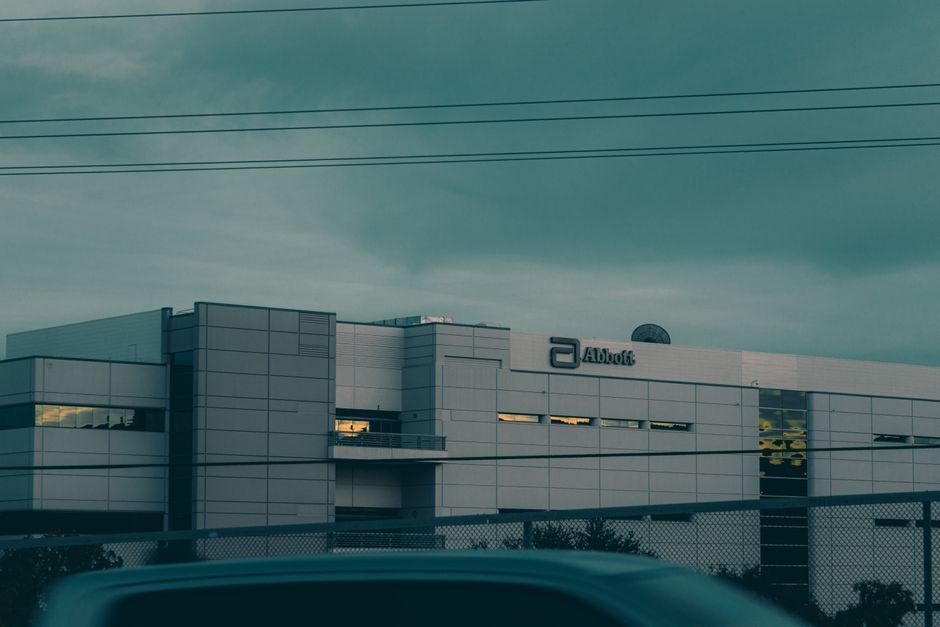
So you need your commercial space painted and you want to know what it’s going to cost. The honest answer? It depends on a bunch of factors specific to your building. But we can walk you through exactly what drives those costs so you’re not flying blind when you get quotes.
What Affects Commercial Painting Cost
Commercial painting isn’t a one-size-fits-all situation. Your total cost is shaped by several real variables that painters factor in when they bid a job.
Related: How Much Does It Cost to Paint a Bedroom in 2026
Size of the space is the biggest one. A small office suite costs way less than a 10,000 square foot warehouse. The more walls and surfaces you have, the more labor and materials you need.
Surface condition matters hugely. If your walls are clean and in decent shape, the job moves faster. But if there’s damage, old paint peeling off, stains, or mold, the prep work takes longer. Prepping a surface properly (cleaning, patching, sanding, priming) can add significant time to the project.
Number of coats changes the price too. Most commercial jobs need at least two coats for solid coverage and durability, but some require three. Dark colors over light bases might need extra coats.
Paint quality is another factor. Premium commercial-grade paint costs more than standard paint, but it lasts longer and looks better. The type of paint (latex, enamel, specialty finishes) affects the bill as well.
Interior versus exterior work carries different pricing. Exterior jobs often involve weather delays, scaffolding, and tougher prep work. Interior commercial spaces might be more straightforward, but they’re often occupied during painting, which affects scheduling.
Related: Interior Painting Cost Estimate: What to Expect in 2026
Geographic location plays a role too. Costs in the St. Petersburg and Pinellas County area reflect local labor rates and material availability, which may differ from other regions.
How Commercial Painters Quote Jobs
Most professional commercial painters quote by the job rather than charging hourly rates. That means they assess your entire project, calculate the labor and materials, and give you a flat price. This is better for you because you know exactly what you’re paying upfront.
When a painter walks your space to estimate, they’re looking at square footage, surface condition, prep time, number of coats, paint type, and project timeline. All of that feeds into the quote.
You might see some painters quote per square foot as a rough guideline, but remember that number is just a starting point. Two spaces with the same square footage can have very different costs if one needs extensive prep and the other doesn’t.
When you’re ready to move forward, Nu-Trend Painting Inc can inspect your space and provide a detailed estimate tailored to your exact project.
Interior Commercial Painting Costs
Interior commercial painting includes offices, retail spaces, warehouses, restaurants, and other indoor facilities. The costs here depend on what we mentioned above, plus a few interior-specific things.
Related: How Much Does It Cost to Paint a House Interior in 2026?
Related: How Much Does It Cost to Paint a House Exterior in 2026?
If your space is occupied while we paint, coordination is key. We need to work around your business hours, which might mean early mornings, evenings, or weekend schedules. That affects labor costs and timeline.
Wall and ceiling condition matters more indoors. Water stains, mold, smoke damage, or previous paint failures add prep time. Trim, baseboards, doors, and other detailed areas take longer than blank walls.
Interior spaces also vary by use. A high-traffic retail environment might need tougher, more washable paint than an office. That’s a material cost difference.
One advantage of interior work is no weather delays. You can lock in a schedule and stick to it, which keeps labor costs predictable.
Exterior Commercial Painting Costs

Exterior projects are their own beast. You’re painting the face of your building, and that comes with challenges.
Weather is a huge factor. Rain, wind, humidity, and temperature swings all affect when and how long the job takes. Painters need to plan around forecasts, and delays add up.
Surface prep for exterior work is intensive. You might need pressure washing, scraping old paint, caulking gaps, and priming. Building materials like stucco, metal, wood, or brick all prep differently and take different amounts of time.
Height and access matter. Single-story buildings are simpler than multi-story ones. If you need scaffolding, lifts, or rope access, that equipment adds cost.
Paint choice is critical outside. You need UV-resistant, weather-proof paint that stands up to Florida sun and humidity. Quality exterior paint costs more but protects your investment longer.
Exterior trim and molding work adds detail labor too. Fascia, soffits, doors, shutters, and railings all need attention.
Getting Accurate Commercial Painting Quotes
Stop guessing and start asking for real numbers. The only way to know what your project costs is to request free quotes from licensed, insured commercial painters in your area.
When you reach out for an estimate, have details ready: exact square footage if you have it, photos of the space, the current condition of surfaces, and your timeline. The more information you provide, the more accurate the quote.
Get at least two or three quotes so you can compare. You’ll likely see variation, and that’s normal. Don’t automatically pick the lowest bid. Look at what’s included, the paint quality, the timeline, and the contractor’s experience.
Ask each painter about prep work. That’s where corners get cut. A painter quoting very low might be skimping on surface preparation, which leads to poor results and premature failure.
Check that whoever you hire is licensed and insured. That protects you if something goes wrong. Nu-Trend Painting Inc operates with full licensing and insurance, and we’re happy to discuss your project scope and timeline to deliver an honest estimate.
Money-Smart Moves for Commercial Painting
You want your money to go as far as possible. Here are a few smart strategies.
Plan ahead. Emergency painting jobs cost more because the painter has to shuffle their schedule. If you can book your project weeks in advance, you might get better pricing and scheduling flexibility.
Batch multiple areas together. If you need your lobby painted and your restrooms refreshed, get quotes for both at once. The painter can mobilize equipment once and save time.
Stick with proven paint brands. Cheap paint requires more coats, fails faster, and costs you more over time. Investing in quality paint is the smarter financial move.
Address problems early. Small mold, water damage, or peeling paint gets worse. Fix it now with a full repaint rather than waiting for bigger damage later.
Communicate your timeline. If you have flexibility, let the painter work around their schedule. If you need it done by a specific date, that urgency costs more.
What You’re Really Paying For

When you hire a commercial painting contractor, you’re not just paying for paint and labor. You’re paying for expertise, reliability, punctuality, and accountability.
A professional painter shows up on time, protects your property, cleans as they go, and delivers quality work that lasts. They handle difficult conditions, problem-solve on the fly, and communicate what they’re doing. That matters, especially in a commercial setting where downtime and disruption cost you money.
A cheap job might be tempting upfront, but poor prep, low-quality paint, or sloppy execution means your building looks bad faster, and you’re painting again sooner. That’s not saving money, that’s spending twice.
Common Commercial Painting Scenarios
Retail storefront refresh: Exterior repainting to boost curb appeal and protect against weather. Includes pressure washing, prep, paint, and trim work. Cost factors: building size, current surface condition, number of stories.
Office suite interior: Multiple rooms, hallways, break rooms, and restrooms. Often done after hours or on weekends. Cost factors: square footage, surface prep, number of coats, paint quality, occupancy schedule.
Warehouse or industrial space: Large open areas, possibly with high ceilings. May need epoxy or specialty finishes. Cost factors: total square footage, ceiling height, surface condition, specialized paint type.
Multi-unit property: Apartments, condos, or strip malls with multiple units. Staged painting across different units. Cost factors: number of units, consistency, scheduling coordination, surface prep per unit.
Next Steps: Getting Your Project Started
You know what affects cost now. The next move is to contact a contractor and get real numbers on your specific space.
Gather your information: building size, photos of the areas to be painted, current condition details, and your preferred timeline. Call or email a few licensed, insured commercial painters and ask for free estimates.
Compare the quotes side by side. Ask questions about prep, paint quality, insurance, and timeline. Pick the contractor who explains their process clearly, seems organized, and has experience with projects like yours.
If you’re in the St. Petersburg or Pinellas County area and ready to get your commercial space painted right, Nu-Trend Painting Inc is ready to assess your needs and provide a detailed, no-pressure estimate. With over 35 years of experience, we know how to deliver quality results on time and within budget. Reach out today and let’s talk about your project.
What’s included in a commercial painting estimate?
A professional estimate should break down labor, materials, prep work, number of coats, paint type, timeline, and any special circumstances like equipment rental or surface repairs. It should be detailed enough that you understand exactly what you’re paying for.
How long does a commercial painting project typically take?
Timeline depends on size, complexity, and number of coats. A small office might take a few days. A large exterior or multi-unit project could take weeks. Weather, surface prep, and occupancy schedules all affect timing. Your estimate should include a realistic timeline.
Do I need to vacate my space during commercial painting?
Not always. Many commercial painters can work around your schedule with early mornings, evenings, or weekends. But for large projects or occupied spaces, partial vacancy or temporary relocation might be necessary. Discuss this with your painter before you book.
Is cheaper paint okay for commercial spaces?
Low-quality paint looks worse faster, may need extra coats, and fails sooner. Commercial-grade paint costs more but holds up to heavy use, weather, and wear. Over the lifetime of the paint, premium paint is the smarter investment.