When you’re ready to paint a room, you’ve got way more decisions than just picking a color. One of the biggest choices? Whether to go with eggshell or satin paint. These two finishes look different, perform differently, and work better in different spaces. Getting this right means your walls will look great and hold up to real life for years to come.
What’s the Difference Between Eggshell and Satin Paint?
The main difference comes down to shine. Eggshell paint has around 10-25% gloss, which gives it a soft, understated glow that’s almost like the shell of an egg (hence the name). Satin paint sits higher at 26-40% gloss, so it catches the light more noticeably and has a sleek, subtle sheen.
Related: Satin vs Semi Gloss Paint: Which Finish Is Right?
Related: Cabinet Painting vs Refinishing: Which Is Right for You?
Related: Oil Based vs Water Based Paint: Which Should You Choose?
Related: Best Paint Finish for Bathrooms: Satin vs Semi-Gloss
This might sound like a small thing, but that shine level changes everything about how your walls look, feel, and perform. It also affects how easy they are to clean and how well they hide imperfections.
How Eggshell Paint Performs
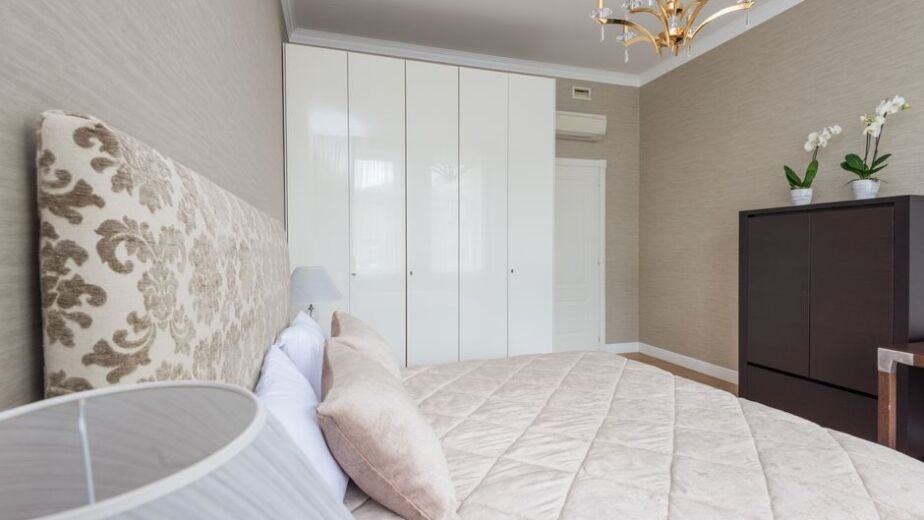
Eggshell is the champion when it comes to hiding wall flaws. If your walls have minor dents, uneven texture, or spots where the drywall tape is slightly visible, eggshell’s soft glow masks these issues beautifully. It gives your color a warm, natural appearance without that glossy feel.
The downside? Eggshell is trickier to clean than satin. If you wipe at a scuff or try to wash a smudge, you might see the mark more easily or even damage the finish if you scrub too hard. That said, it’s still washable – just more gently than you’d treat a satin finish.
Eggshell works best in low-traffic zones where looks matter more than durability. Think bedrooms, living rooms, and dining rooms where your family isn’t constantly bumping into walls or splashing things.
How Satin Paint Performs
Satin is built for real life. It’s significantly easier to clean and more durable than eggshell, which makes it the go-to for kitchens, bathrooms, and high-traffic hallways where things get messy. That extra shine also makes your wall color feel lighter and more vibrant, almost like the paint is glowing from within.
The tradeoff is that satin doesn’t hide imperfections as well as eggshell. If your walls have texture issues or slight unevenness, satin’s shinier surface will actually highlight them rather than conceal them. You’ll need walls that are in better condition, or you’ll need more thorough prep work to smooth things out first.
Modern painters are seeing satin become increasingly popular across the board. Homeowners appreciate how easy it is to maintain, and the finish has come a long way in terms of aesthetics.
Room-by-Room Recommendations
Here’s how to think about it practically. Start with your room’s function, not just the color you love.
- Bedrooms: Eggshell. Low traffic, and you want walls that look soft and inviting. The warm appearance is perfect for a restful space.
- Living rooms: Eggshell or satin, depending on your household. Families with kids or pets who bump into things often? Go satin for easier cleanup. Adults only? Eggshell looks more refined.
- Kitchens: Satin, without question. Splashes, steam, and daily wear mean you need something washable and durable. Satin handles moisture better too.
- Bathrooms: Satin. Same reasons as the kitchen – moisture, splashes, and the need for easy cleaning make satin the practical choice.
- Hallways and entryways: Satin. These high-traffic zones take a beating. Eggshell will show every handprint and scuff mark.
- Dining rooms: Eggshell is fine here, but if you have messy eaters (kids, toddlers), consider satin for the lower wall area or use a chair rail to split finishes.
Color Appearance: How Finish Affects What You See
Paint finish doesn’t just change how the wall feels to touch – it changes how the color looks. Eggshell gives your chosen color a soft lift and a warmer, more grounded appearance. It’s forgiving and intimate.
Satin adds a subtle glow that makes the same color feel lighter, more saturated, and almost more vibrant. The extra shine bounces light around the room, which can actually change how you perceive the color intensity. If you paint a sample and love it in eggshell, that same color in satin might look unexpectedly brighter or more intense.
Test both finishes in your actual room before committing. The light in your space, the time of day, and the walls around it all matter. When you’re ready to move forward with confidence, the professionals at Nu-Trend Painting Inc can help you nail the right finish choice based on your specific walls and lifestyle.
Wall Preparation and Finish Choice
Here’s something that often gets overlooked: your choice of finish should also depend on how well your walls are prepped. Satin works best on smooth, well-prepared surfaces. If your walls are in rough shape, you might need extra sanding, patching, and primer work to get them ready for a satin finish that won’t look bad.
Eggshell is more forgiving, so it can work on walls with minor imperfections. This doesn’t mean skipping prep work – it just means eggshell gives you a little more grace if the wall isn’t absolutely perfect.
If you’re unsure about your wall condition or what prep work might be needed, Nu-Trend Painting Inc can assess your space and recommend the best approach to get the finish you want without compromises.
Maintenance and Long-Term Care
Satin is easier to keep clean. Use a soft cloth with mild soap and water, and scuffs wipe away without much effort. You can be relatively normal about maintaining it.
Eggshell requires a gentler touch. You can still clean it, but use light pressure and avoid abrasive cloths. Think of it like caring for a delicate sweater rather than a work jacket.
Both finishes will last years if properly applied and maintained. The key is understanding upfront what level of care each one demands, then choosing based on your lifestyle and willingness to be gentle with your walls.
Cost and Paint Quality Considerations
Eggshell and satin paints at similar quality levels cost about the same. The price difference between finishes isn’t huge – what matters more is the quality of the paint itself. Better paint covers better, lasts longer, and resists staining or fading more effectively.
Related: Best Paint Finish for Bedrooms: Eggshell vs. Satin vs. Matte
The real cost factor comes down to how much prep and application work your walls need, how many coats are required, and the overall condition of your surfaces. Every home is different, and those variables matter way more than choosing one finish over another.
When to Mix Finishes in One Home

You don’t have to pick the same finish for every room. Many homes use eggshell in low-traffic bedrooms and living areas, then switch to satin in kitchens and bathrooms. You can even use a chair rail to split finishes within a single room – eggshell on top where it looks good, satin on the lower portion where it takes more wear and tear.
This mixed approach gives you the best of both worlds: eggshell’s beautiful, forgiving appearance where you want it, and satin’s durability and washability where you need it most.
Making Your Final Decision
Think about these three questions to nail down your choice:
- What is this room’s main purpose? High traffic and messy situations favor satin. Low-traffic and appearance-focused? Eggshell wins.
- Are your walls in good condition, or do they have imperfections that need hiding? Imperfections? Go eggshell. Smooth and prepped? Satin is fine.
- How much maintenance are you willing to do? If you love keeping things pristine, either works. If you prefer low-maintenance, satin is easier.
Once you’ve answered those questions, you’ll know exactly which finish makes sense for your space. If you want expert guidance tailored to your specific situation, reach out to Nu-Trend Painting Inc and request a free estimate. They’ll assess your walls, discuss your lifestyle, and recommend the finish that’ll look great and perform the way you need it to.
Eggshell vs Satin: Quick Reference
Choose Eggshell if: You want imperfection-hiding, soft appearance, warm color lift, and low-traffic areas matter most to you.
Choose Satin if: You need easy cleaning, durability, vibrant color, and your room gets regular use or splashes.
Not sure? Satin is becoming the modern default because it performs well in most homes. When in doubt, satin is often the safer bet – though eggshell is the right choice in plenty of situations too.
FAQ: Eggshell vs Satin Paint
Can I use eggshell in a kitchen?
Technically yes, but it’s not ideal. Kitchens get splashes, steam, and lots of hand contact. Eggshell is harder to clean and more prone to showing marks. Satin is much better suited for kitchen conditions. If you love eggshell’s look, consider using it on upper walls and satin on the lower section where splashes happen.
Which paint finish is more durable?
Satin is more durable and better at resisting staining and moisture. Eggshell is still durable but requires gentler care. If durability is your priority, satin wins. However, both last a long time when applied correctly and maintained reasonably.
Related: Deck Staining vs. Painting: Which Is Best for Your Home?
Does the paint brand matter more than the finish choice?
Quality paint matters a lot, but finish choice is equally important. A premium eggshell will outperform a budget satin in its intended environment. Pick the right finish first, then invest in quality paint within that category.
Can I change my mind and repaint over eggshell with satin (or vice versa)?
Yes, but you’ll need to prep the surface properly. The different sheen levels mean the new coat won’t adhere perfectly without cleaning, light sanding, or primer. Switching finishes is possible but adds prep work, so it’s better to choose right the first time.