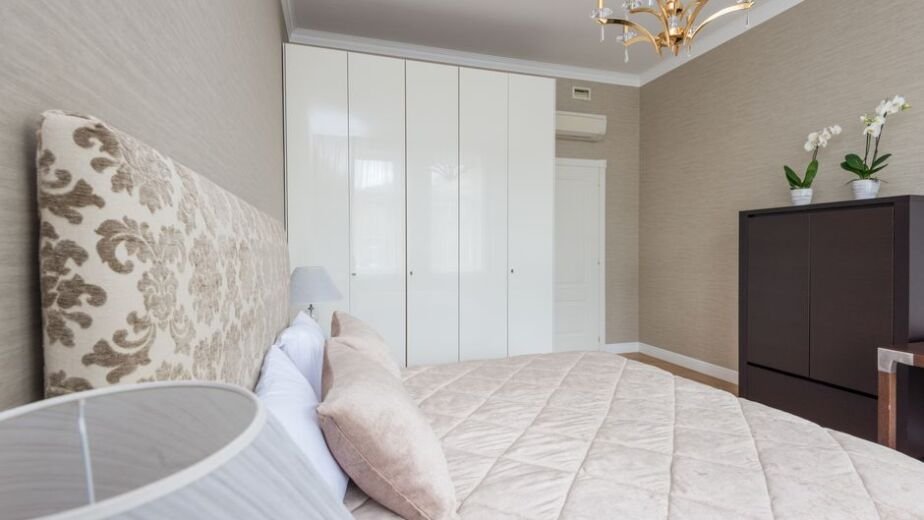
Painting services are way more than just slapping paint on a wall. When you hire a professional painter, you’re getting expertise in surface prep, material selection, application technique, and project management. Whether you need interior walls refreshed, exterior siding repainted, or specialty finishes applied, understanding what these services actually include helps you make a smarter hiring decision.
What’s Included in Professional Painting Services
Professional painting services typically cover several key components. First, there’s surface preparation—cleaning, sanding, patching holes, caulking gaps, and priming. This step matters way more than people realize. A rushed prep job means your paint won’t stick properly and won’t last as long.
Related: How to Hire a Painting Contractor: A Step-by-Step Guide
Related: Best Residential Painting Services 2026: Top 5 Ranked
Related: Best Family-Owned Painting Contractors 2026: Top 5 Ranked
Then comes the actual painting. Professional painters use quality tools and techniques to apply paint evenly, avoiding drips, brush marks, and uneven coverage. They know how to work with different paint types—latex, oil-based, specialty finishes—and match them to your surface.
For exterior work, painting services also often include pressure washing to remove dirt, mold, and old paint before new coats go down. Many contractors also handle trim work, crown molding, and detail painting that homeowners often overlook. When you’re looking for comprehensive painting services, ask whether the quote includes all these elements.
Related: Questions to Ask a Painting Contractor Before Hiring
Interior Vs. Exterior Painting Services
Interior and exterior painting are different animals. Interior work focuses on aesthetics and durability inside your home. You’re choosing finishes that match your décor, dealing with different room conditions (kitchens get moisture, high-traffic areas need tougher paint), and managing the project without weather delays.
Exterior painting is tougher. The sun, rain, wind, temperature swings, and salt spray (especially in coastal areas like Pinellas County) all wear on your paint. Exterior painters need to choose products that stand up to these conditions. They also deal with more complex prep work—scraping old paint, repairing siding damage, and working at heights safely.
Both require different timelines and costs. Exterior projects take longer because weather matters, and the materials are often higher-grade. Don’t assume one quote applies to both types of work.
What Affects Painting Services Pricing
Several factors drive how much your painting project will cost. Home size is obvious—bigger spaces need more paint and labor. But surface condition matters just as much. If your walls have deep stains, mold, or old peeling paint, prep work explodes. A wall that’s already clean and in decent shape needs way less prepping.
The number of coats affects price too. Most projects need two coats for even coverage, but some surfaces demand three. Paint quality matters—premium paint costs more upfront but lasts longer and covers better. So does your paint choice itself. A basic eggshell finish is cheaper than a high-end exterior paint rated for extreme weather.
Location and accessibility also play a role. A single-story interior bedroom is simple. A three-story exterior or a cathedral ceiling requires more equipment and time. Climate and season matter for exterior work. Projects done during peak season cost more because painters are busier.
Instead of guessing at costs, reach out to Nu-Trend Painting Inc for a free estimate. They’ll assess your specific situation and give you an accurate quote based on what your project actually needs.
Related: Exterior Painting Cost Estimate: What to Expect in 2026
Related: Interior Painting Cost Estimate: What to Expect in 2026
How to Choose a Painting Services Contractor

Finding the right painter starts with knowing what to look for. You want someone licensed and insured—this protects you if something goes wrong. Ask for proof. Don’t hire a cash-only contractor without insurance; it’s not worth the risk.
Check their track record. Look for reviews from past customers. Read what people say about their punctuality, cleanliness, communication, and final quality. If someone’s been in business for decades, that’s a good sign they know what they’re doing.
Get multiple quotes. Three estimates from different painters gives you a sense of the market. But don’t just pick the cheapest. A suspiciously low bid often means corners will be cut—rushed prep, cheap paint, or incomplete work.
Ask about their process. How do they prep surfaces? What paint brands do they use? How do they handle unexpected problems (like discovering water damage behind your walls)? A good contractor explains their approach clearly and talks through options with you.
References matter. Ask for a few customer phone numbers and actually call them. Ask about communication during the project, whether they stayed on schedule, and if they’d hire them again.
Specialty Painting Services
Beyond basic interior and exterior painting, many contractors offer specialty services. Cabinet refinishing transforms outdated kitchens or bathrooms without a full remodel. Stucco painting is different from drywall—it requires specific techniques and products. Pressure washing cleans exterior surfaces before painting and also removes mold, mildew, and stains.
Related: Cabinet Painting vs Refinishing: Which Is Right for You?
Some painters offer texture finishes, faux finishes, or decorative effects. Others specialize in high-end residential work, commercial painting, or industrial coatings. If your project has unique requirements—old plaster walls, specialty finishes, high-performance coatings—make sure your contractor has done that work before.
The Timeline for Painting Services
How long does a painting project take? It depends on scope. A single bedroom interior might take 2-3 days. A full house exterior can take 1-2 weeks. Weather delays exterior work. Complex prep work extends timelines. A professional contractor gives you a realistic schedule upfront.
Related: How to Prep the Exterior of a House for Painting
Related: Best Professional Interior Painting in St. Petersburg, FL
Don’t rush painters. Hurrying through surface prep or paint application leads to poor results. Quality work takes time. That said, professionals should respect your schedule and keep you informed about progress.
Common Mistakes to Avoid When Hiring Painting Services
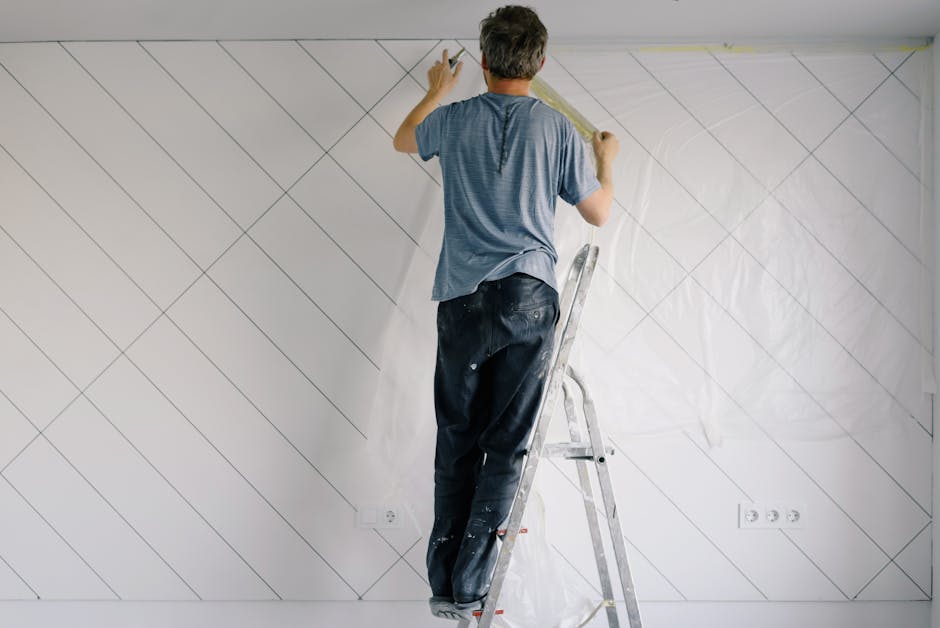
First mistake: skipping the estimate conversation. Don’t just ask for a price. Discuss exactly what’s included, what surfaces get how many coats, and what prep work is planned.
Second: choosing based on price alone. You get what you pay for in painting. Cheapest isn’t best.
Third: not getting contracts in writing. Verbal agreements are risky. A written contract spells out scope, timeline, payment terms, and what happens if there’s a dispute.
Fourth: not asking about cleanup and protection. Professional painters protect your floors, furniture, and landscaping. They clean up daily. This matters for your sanity.
Fifth: assuming all painters are equal. They’re not. Experience, attention to detail, and communication vary wildly. Take time to find someone reliable.
Preparing for Your Painting Services Project
Once you’ve hired a contractor, prepare your space. For interior work, move furniture out of the room or to the center and cover it. Remove artwork, light fixtures, and outlet covers if requested. Ask your painter what else they need from you.
For exterior work, trim trees and bushes back from the walls. Move vehicles and anything you want to protect. Make sure the painter can access water if they need it.
Communicate expectations clearly. Show your painter paint samples or color chips. Discuss trim, baseboards, and detail work. The more aligned you are upfront, the better the final result.
When you’re ready to move forward with your project, Nu-Trend Painting Inc handles the details so you don’t have to stress. Their team manages the timeline, protects your property, and delivers professional results you’ll actually be happy with.
Maintaining Your Paint After Services Are Complete
Paint maintenance extends the life of your investment. Interior paint typically lasts 5-10 years depending on room use and moisture. Kitchens and bathrooms fade faster. High-traffic areas scuff more.
Exterior paint lasts 7-10 years on average, though coastal climates and intense sun can shorten that. Regular washing keeps your paint looking fresh. Spot touch-ups address small damage before it spreads.
For information on paint durability and maintenance best practices, the EPA provides guidance on paint safety and environmental considerations worth reviewing.
If you notice peeling, fading, or damage, address it promptly. Small repairs now prevent bigger (and more expensive) problems later. Many painting contractors offer touch-up services to help maintain your work.
Do I need to move out during a painting project?
For most interior work, no. Professional painters manage paint fumes, dust, and mess. You can stay home. That said, strong paint odors bother some people. Open windows, use fans, and discuss ventilation with your painter. For extensive exterior work, you can stay inside normally.
How long should paint dry before I use a room?
Latex paint is usually dry to the touch in 1-2 hours. Full cure takes 2-4 weeks. Your painter tells you when it’s safe to move furniture back and use the room normally. Oil-based paints take longer to cure. Don’t assume paint is fully dry just because it feels dry.
What if I’m not happy with the work?
Good contractors guarantee their work. If you spot issues—uneven coverage, drips, missed spots—point them out immediately while the painter is still there. Reputable painters fix problems. Get your expectations and any touch-up policy in writing before work starts.
Can painting services fix water damage or mold?
Painters can paint over surfaces, but they can’t fix the underlying problem. If you have water damage, that needs repair first. If you have mold, it needs proper remediation. Paint alone won’t stop these issues from coming back. Deal with the root cause before painting.