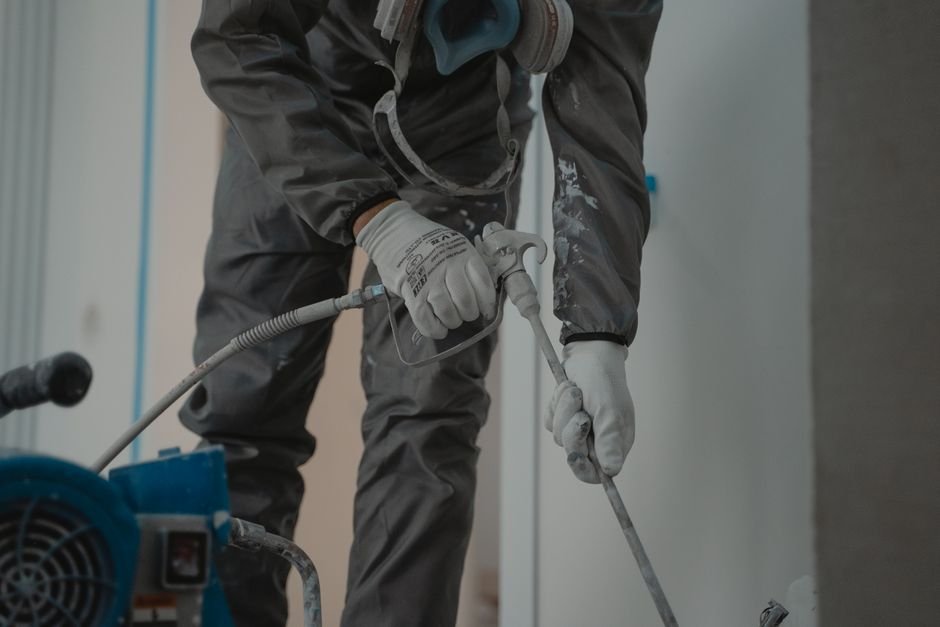
Hiring a painting contractor doesn’t have to be stressful. You just need to know what to look for, what questions to ask, and how to protect yourself before work starts. Let’s walk through how to hire a painting contractor so you end up with someone reliable, professional, and worth every penny.
Start Your Search Online and Locally
The easiest way to find painting contractors is to search online using your ZIP code. You’ll find their websites, customer reviews, and photos of their work right away. This gives you a quick sense of who’s active in your area and what their reputation looks like.
Don’t just rely on one search result. Look at multiple contractors’ websites and read through their customer testimonials carefully. Real reviews tell you a lot about whether someone shows up on time, cleans up after themselves, and actually listens to what you want.
If you live in St. Petersburg or Pinellas County, Nu-Trend Painting Inc is worth adding to your list. They’ve been family-owned for over 35 years and handle everything from interior and exterior painting to specialty work like pressure washing and trim.
Verify Licensing and Insurance Before You Meet
Before you even call a contractor, confirm their license is current and valid. You can usually check this through your state’s licensing board or your county’s records online. It only takes a few minutes and it’s non-negotiable.
Related: How to Caulk Before Painting: Step-by-Step Guide
Related: How to Paint Aluminum Siding: Step-by-Step Guide
Insurance is just as important. Ask any contractor you’re considering to provide proof of liability insurance and workers’ compensation coverage. A professional won’t hesitate to show you this. If they do, move on to the next name on your list.
These two steps protect you. If something goes wrong on your property, you want to know the contractor is licensed and insured. It’s not about being suspicious; it’s about being smart.
Request References and Actually Call Them
Every contractor should be able to give you references from recent jobs. Ask for at least three. Here’s the key: don’t just take their word for it. Call those references yourself.
When you call, ask real questions. Did the crew show up on time? Was the work quality good? Did they stay on budget? Did they clean up? How would you hire them again? You’ll get a real feel for what working with that contractor is actually like.
If a contractor gets defensive about giving references or the references seem hard to reach, that’s a red flag. Good contractors are proud of their work and their customers are happy to vouch for them.
Get Detailed Written Estimates from Multiple Contractors

Never hire someone based on a phone quote or a handshake deal. You need written estimates from at least two or three contractors so you can compare what’s included.
A good estimate should spell out exactly what’s being done: surface prep, number of coats, paint quality level, trim work, cleanup, and timeline. It should also list any work that’s specifically NOT included. This keeps surprises from popping up mid-project.
When you’re reading estimates, you might notice different prices. Don’t automatically pick the cheapest. The lowest bid might mean they’re cutting corners on prep, using lower-quality paint, or rushing the job. Look at what each estimate covers and compare the full package, not just the total number.
Ask Questions About Their Process
Before you decide, have a real conversation with each contractor about how they work. Here are good questions to ask:
- How do you prepare surfaces before painting?
- What paint brands and quality levels do you offer?
- How long will the job take?
- Will you work around my schedule?
- What happens if weather delays the project?
- How do you handle unexpected issues like water damage or mold?
- What’s your cleanup process?
A contractor who takes time to explain their process and answers your questions thoughtfully is someone who probably cares about doing the job right. If they’re rushing you off the phone, that’s not a great sign.
Get Everything in a Written Contract
This is the most important step. Never start work without a detailed written contract signed by both of you. A contract protects you and the contractor.
Your contract should include the project scope, the timeline, the total cost, payment schedule, what materials are being used, and what happens if there are delays or changes. It should also state what cleanup looks like and when the job is considered complete.
If a contractor is reluctant to put things in writing, walk away. A professional contractor expects a contract. It’s standard business.
Check In With Your Final Choice
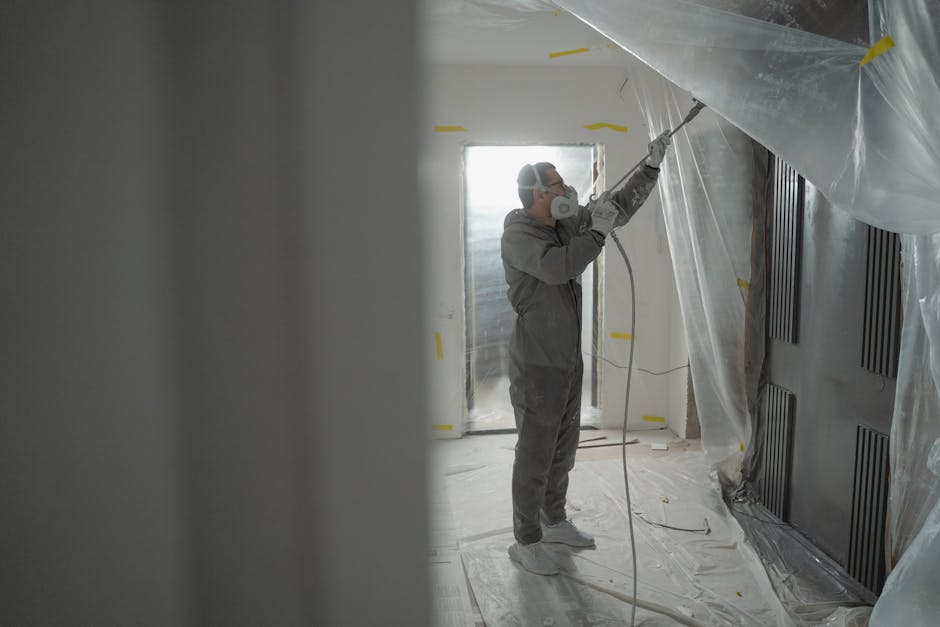
Once you’ve narrowed it down, call your top choice one more time. Confirm the start date, ask if they have any last-minute questions about the job, and discuss how you’ll communicate during the project. Good communication prevents problems.
If you’re still researching your options and want to talk to someone with decades of experience, Nu-Trend Painting Inc offers free estimates and can walk you through exactly how they approach your specific project. They’ll answer your questions and give you a detailed written estimate you can compare with others.
People Also Ask
What should I look for in a painting contractor’s portfolio?
Look for photos of finished jobs that are similar to what you want done. Pay attention to clean edges, even color coverage, and whether trim and detail work looks neat and precise. If the contractor has photos of your type of project (interior walls, exterior siding, textured surfaces, etc.), that’s a good sign they have experience with it.
How long does it usually take to get a painting estimate?
Most contractors can provide a verbal estimate during or right after a walk-through, but the official written estimate takes a few days. They need time to measure, assess surface conditions, and calculate materials and labor. Expect to wait 3 to 5 business days for a formal estimate.
Should I pay a deposit upfront?
Yes, contractors typically ask for a deposit to secure the job and cover materials. However, it should be reasonable, usually around 25 to 33 percent of the total project cost. Never pay in full upfront. Make sure your contract spells out the payment schedule clearly: deposit, progress payments, and final payment upon completion.
What’s the difference between interior and exterior painting estimates?
Exterior jobs tend to be more complex because they involve weather considerations, ladder setup, and more prep work like power washing. Interior painting is usually more straightforward but still requires surface prep. Make sure your estimate is specific to which type of work you’re getting and what that includes.