
So you’re ready to hire a painting contractor. Great. But here’s the thing: asking the right questions upfront saves you headaches, money, and regret later.
The difference between a smooth project and a disaster often comes down to clarity. When you know what to ask a painting contractor, you’re not just protecting your wallet. You’re setting expectations that both you and the painter can actually meet.
Related: Painting Services: What to Expect & How to Hire Right
Let’s walk through the essential questions you should ask before signing anything.
Related: How to Caulk Before Painting: Step-by-Step Guide
Related: How to Hire a Painting Contractor: A Step-by-Step Guide
Questions About Insurance and Licensing
First things first: ask if they carry Workers’ Compensation Insurance. This isn’t a nice-to-have. It’s non-negotiable.
Workers’ Comp protects you if someone gets hurt on your property. Without it, you could be liable. A legitimate contractor will have no problem showing you proof.
Also ask about general liability insurance. This covers damage to your home or property during the job. Both policies should be current and in writing.
Next, verify they’re licensed in your state. In Florida, that matters. Ask to see their license number and confirm it with the Florida Department of Business and Professional Regulation if you want to be thorough.
Don’t skip this step. It takes two minutes and could save you thousands.
Questions About Experience and References
How long have they been painting? This isn’t about age discrimination. It’s about knowing if they’ve handled projects like yours before.
Ask how many years they’ve been in business and what types of projects they typically do. Residential? Commercial? Interior only or exterior too?
Related: How to Prep the Exterior of a House for Painting
Then ask for references. Specifically, ask for contact information from 3-4 customers they’ve worked with in the past year. Not just names. Phone numbers or emails you can actually reach.
Call those references. Ask them about the quality of work, whether the job stayed on schedule, and if they’d hire the contractor again. Real feedback from real customers tells you way more than any sales pitch.
If a contractor won’t give you references, that’s a red flag. Walk away.
Questions About Project Preparation and Scope
Here’s what most people don’t realize: the paint job is only 20% of the work. The other 80% is prep.
Ask exactly what prep work is included. Will they clean the surfaces? Sand rough spots? Patch holes in drywall? Strip old paint if needed? Caulk gaps and cracks?
Proper preparation means the paint sticks, lasts longer, and looks professional. Skipping prep is how you end up with peeling paint in six months.
Also clarify what’s actually in scope. You’d be surprised how many disputes come from disagreement about what surfaces are being painted. Ask them to walk through your home or space and confirm: which walls, trim, ceilings, doors, and baseboards are included?
Is the garage included or just living areas? Are window frames getting painted? What about closets? Get it all in writing.
A comprehensive estimate should itemize exactly what’s being painted and what prep work is involved.
Questions About Paint Quality and Brands

Ask what paint brands they prefer and why. Not all paint is the same. Quality varies a lot.
Some contractors use budget-grade paint (which is cheaper but wears faster). Others use premium brands (which cost more but last longer and look better). Most offer options in between.
Understanding the difference matters because it affects how long your paint job will actually last. A premium interior paint might last 10 years. A budget paint might need touching up in 5.
Ask if they’re flexible with paint brand. If you have a preference or want to use a specific quality level, a good contractor will work with you. If they’re rigid about their brand choice, ask why.
Also ask about the finish. Do they recommend matte, eggshell, satin, semi-gloss, or gloss? Different rooms benefit from different finishes. Kitchens and bathrooms usually need satin or semi-gloss for moisture resistance. Living rooms often look better in matte or eggshell.
Questions About Timeline and Scheduling
When can they start? When do they expect to finish? Get specific dates, not “sometime in March.”
Ask how long the project will take. This depends on your home’s size, the number of coats needed, and prep work required. A small bedroom might take 2-3 days. A whole house exterior could take 2-3 weeks.
Also ask about their work schedule. Will they be there every day or just certain days? What time do they start and stop? This matters for your routine.
Ask what happens if weather delays the project (especially relevant for exterior work). What’s their rain policy? Do they work in humidity over 85% or wait for better conditions?
Get a clear written timeline. If they miss it without good reason, you should know that upfront.
Questions About the Estimate and Pricing
Request multiple estimates. Get at least 2-3 quotes from different contractors. This gives you a realistic range and prevents one contractor from overcharging.
When you get an estimate, make sure it’s detailed. It should break down materials, labor, prep work, and any other costs separately. Don’t accept a vague one-line quote.
Ask what’s included in the price. Does it cover cleanup? Primer? Multiple coats? Caulking and patching? Moving furniture? These details change the real cost.
If the estimate is significantly lower than others, ask why. Sometimes it’s because they’re efficient. Sometimes it’s because they’re cutting corners on prep or using cheap paint. Understand the difference.
Ask about the payment schedule too. Do they want full payment upfront? Half now, half at completion? Payment on completion only? A reputable contractor usually takes partial payment upfront and the balance when the job is done.
For a professional contractor like Nu-Trend Painting Inc, you should receive a thorough estimate that clearly shows what you’re paying for and what’s included in the scope of work.
Related: Commercial Painting Contractor Pinellas County | Nu-Trend
Questions About Cleanup and Final Details
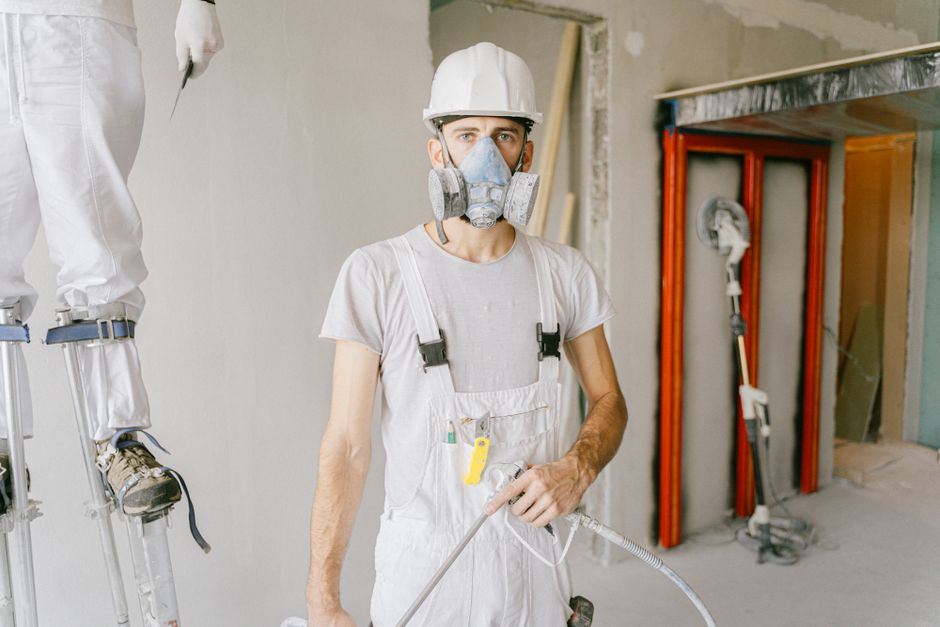
Will they clean up each day or just at the end? A professional should protect your furniture and floors with drop cloths and tape.
Ask if they’ll dispose of paint cans and leftover materials. Who’s responsible for cleanup if something gets damaged? What’s their policy for fixing mistakes?
Also ask about touch-ups. If you notice a missed spot or a thin area after they leave, will they come back and fix it for free? Most reputable contractors will.
Get clarity on what happens if you’re not happy with the work. What’s their guarantee? Some painters offer a one-year warranty on their workmanship. That’s worth asking about.
Questions About Communication During the Project
How will you stay in touch? Do they check in daily? Weekly? Are they available by phone or email if questions come up?
Ask if they’ll send photos of the work in progress. This helps you catch issues early instead of being surprised at the end.
What happens if you need a change mid-project? Will there be an extra charge? How quickly can they adjust the scope?
A contractor who communicates well is worth their weight in gold. Projects run smoother when you’re on the same page.
Red Flags to Watch For
They won’t give you references. Run.
They offer a price way lower than everyone else without explaining why. Probably cutting corners.
They pressure you to decide today or give you a vague, unitemized estimate. That’s not professional.
They’re evasive about insurance or licensing. That’s how you get stuck with liability.
They want full payment upfront before starting work. Standard practice is partial payment.
They won’t put the scope of work in writing. You need documentation.
They have a lot of negative online reviews specifically about communication or quality. One bad review might be unfair. A pattern means something’s wrong.
How to Get the Most Out of Your Estimate
When you request an estimate, provide as much detail as possible. Tell them about water damage, cracks, previous paint issues, or anything that might affect prep work.
Show them the areas you want painted. Walk them through the space. A contractor who takes time to assess your home will give you a more accurate estimate than one who quotes over the phone.
Ask if they’ll provide recommendations based on what they see. Maybe they notice a moisture issue that needs addressing before paint. Maybe they suggest a finish that’s better for your space.
When comparing estimates, make sure you’re comparing the same scope. If one contractor is priming and another isn’t, or one is doing two coats and another is doing three, the prices won’t be directly comparable.
If you need a free estimate from a professional painting contractor, you can request one and get answers to all these questions during the consultation.
Final Thought
Asking these questions takes time. But it’s worth it. A good contractor will welcome your questions. They’ll answer thoroughly and patiently. That tells you everything you need to know about whether they’re the right fit.
Your home is one of your biggest investments. It deserves a painter who knows what they’re doing.
What if a contractor won’t give me references?
Don’t hire them. References are the only way to verify someone’s work quality. If they won’t provide them, they have something to hide. A legitimate contractor always has happy customers willing to talk about their experience.
How many coats of paint should be included in the estimate?
For interior work, two coats is standard for most situations. For exterior, two coats is also typical. Some situations (like dark colors or high-traffic areas) might need three coats. Ask specifically. Don’t assume.
Should I get more than one estimate?
Yes. Get at least 2-3 estimates. This helps you understand the market rate and prevents overcharging. It also gives you a sense of which contractors communicate clearly and professionally. The cheapest estimate isn’t always the best value.
What should I do if I notice problems after the painter finishes?
Contact them immediately with photos. Ask if they’ll come back and fix it. A professional contractor stands behind their work and will address legitimate issues. This is why asking about their warranty or guarantee policy upfront is important.