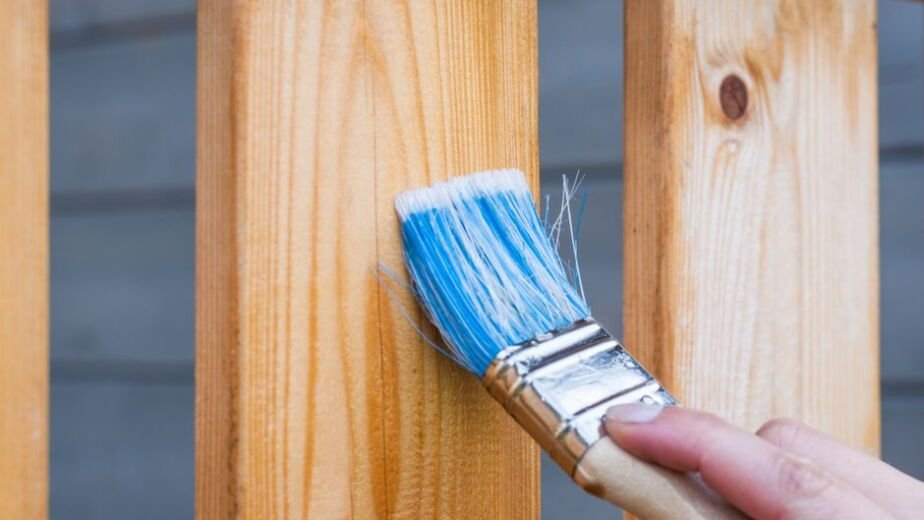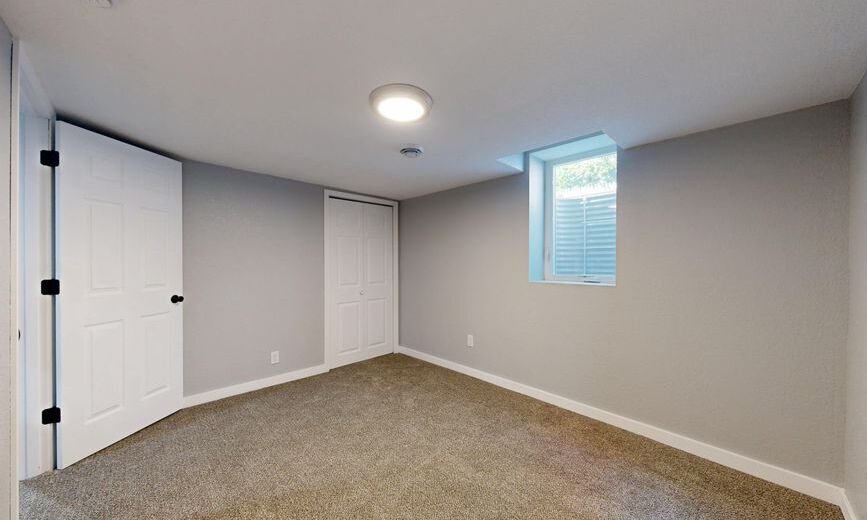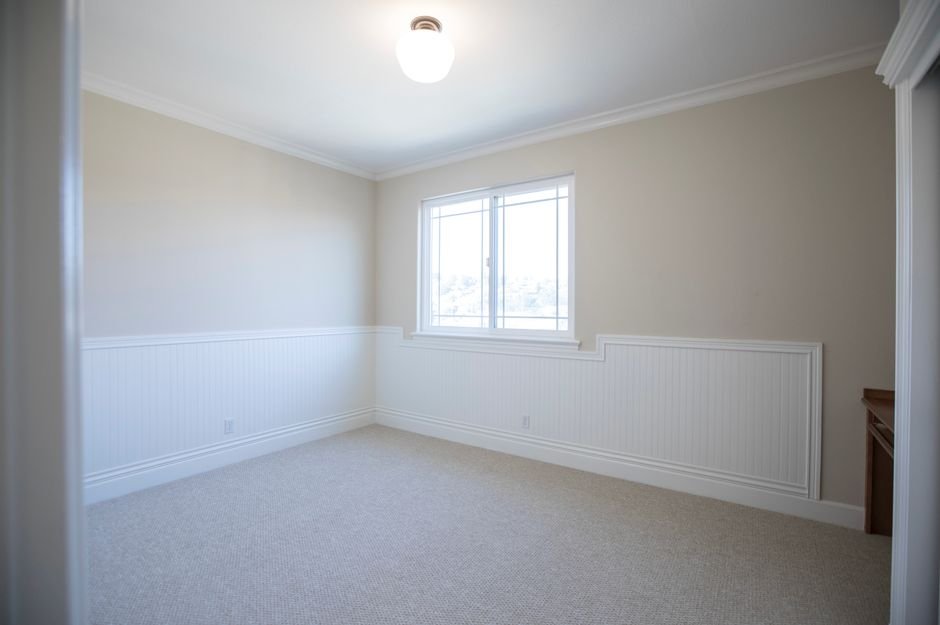
Choosing the best trim paint colors comes down to one simple rule: your trim should frame and enhance your walls, not fight them. The right trim color pulls your whole room together, while a poor choice can make even beautiful walls feel disconnected.
Whether you’re refreshing baseboards, door frames, crown molding, or window casings, the colors you pick matter way more than most people think. Let’s walk through what works, why it works, and how to pick the perfect shade for your space.
Warm Whites and Soft Neutrals Lead the Way
If you’re looking for trim paint colors that work in almost any home, warm whites and soft neutrals are your safest bet. These shades have dominated residential painting for years, and for good reason.
Related: How to Choose Exterior Paint Colors for Your Home
Related: How Much Does It Cost to Paint a Bedroom in 2026
Related: Average Cost to Paint a Room in 2026
Related: Best Paint for Trim and Baseboards: Complete Guide 2026
Pure white trim is a classic choice that never really goes out of style. It’s crisp, clean, and works with nearly every wall color you can imagine. But pure white can sometimes feel a little sterile or too bright, especially in rooms with softer, warmer wall tones.
That’s where warm off-whites come in. These shades have just a hint of yellow, beige, or cream mixed in, so they feel softer and more inviting than pure white. Soft warm whites are trending right now because they give you all the benefits of white trim without the harshness.
If you want something a step warmer, slightly darker beige and tan shades are emerging as popular alternatives. These colors add subtle depth while staying neutral enough to match almost any interior wall color you choose.
When deciding between pure white and warm off-white, think about your wall colors. Cool-toned or gray walls sometimes clash with very warm trim, while warm wall colors absolutely shine next to soft warm whites. Nu-Trend Painting Inc can help you test samples on your actual trim before committing to a full paint job.
Greige: The Neutral That Works Everywhere
Greige is a blend of gray and beige that’s become increasingly popular for trim work. It’s basically the middle ground between cool and warm neutrals, which makes it incredibly versatile.
Greige trim works beautifully if your walls are transitional (not purely warm or cool). It also pairs well with both modern and traditional home styles. The color is sophisticated enough to feel intentional, but neutral enough that it doesn’t demand attention.
The key to greige is making sure you pick a shade that leans slightly warm rather than too gray. A greige that’s too cool can sometimes feel dingy or flat, while one with warmth behind it will look polished and intentional.
Going Bold: Dark Trim as an Accent
Not everyone wants light, neutral trim. If you’re looking for a statement, peppercorn or dark gray trim can be absolutely stunning.
Dark trim works best when you’re pairing it with lighter wall colors. It creates high contrast, which makes your architectural details pop. Door frames and crown molding look especially dramatic in deep gray or near-black finishes.
The catch: dark trim is a design choice. It won’t appeal to everyone, and it can make a space feel smaller if you’re not careful. It works better in homes with good natural light and in rooms where you want a moody, intentional feel.
If you’re considering dark trim, test it first. Paint a small section and live with it for a few days. What looks good in a paint chip might feel too heavy in your actual space, or it might look exactly right.
How to Match Trim Colors to Your Walls

The golden rule: your trim color should complement your wall color, not compete with it. Here’s how to think about it:
- Warm wall colors (creams, beiges, warm grays) pair beautifully with soft warm whites, warm off-whites, or light beige trim.
- Cool wall colors (soft blues, cool grays, greens) can work with pure white or greige trim, but rarely with very warm trim.
- Bold or saturated wall colors look best with pure white or very light trim to keep the room from feeling too heavy.
- Gray walls work with both warm whites and greige, but the undertone matters. Check your gray’s undertone and match it roughly to your trim.
Visual harmony is the goal. Your eyes should move naturally from walls to trim to architectural details without getting jarred by a color clash.
Trim Paint Finishes Matter Too
Color is only half the story. The finish you choose affects how the color actually looks on your trim.
Semi-gloss and high-gloss finishes are traditional for trim because they’re durable and easy to clean. They also reflect light, which makes trim pop slightly and emphasizes your architectural details. The downside is that gloss finishes show every dust particle and fingerprint.
Satin finish is becoming more popular for trim because it offers a nice middle ground. It has some sheen without being as reflective as semi-gloss, and it’s slightly more forgiving with dust and marks.
The finish you choose doesn’t change the color itself, but it does change how the color reads in your space. A warm white in semi-gloss looks brighter and crisper than the same warm white in satin. Experiment with samples if you’re torn between finishes.
Practical Tips for Choosing Your Trim Color
Get paint samples on your actual trim. Lighting changes everything, and what looks perfect in the paint store might surprise you at home. Paint a few swatches in different areas of the room (near windows, in shade, under artificial light) and check them at different times of day.
Look at your trim material. If you have beautiful original woodwork, you might want a color that lets the wood grain show through. If you’re painting over less dramatic trim, a slightly richer color or finish can add visual interest.
Think about your home’s overall style. Modern homes often benefit from crisp pure white or greige. Traditional homes can handle warm whites or slightly warmer beiges. Transitional spaces do well with soft warm whites or greige.
Consider your baseboards, door frames, and crown molding as a system. They should all be the same color (or at least the same family) so your trim feels cohesive, not patchwork.
If you’re feeling uncertain about your choice, that’s normal. Trim color is a big decision because you see it every single day. Professional painters at Nu-Trend Painting Inc can walk you through options and help you test colors in your actual space before you commit.
When to Call a Professional

Trim painting looks simple but requires precision. Getting clean, sharp lines between trim and walls, filling gaps, and applying paint evenly takes skill and the right tools.
A professional painter knows how to prep trim properly, which includes filling nail holes, sanding, and priming. They also know which finishes hold up best over time and how to apply paint so it looks flawless and lasts for years.
If your trim is extensive, multi-colored, or requires special attention (like crown molding or wainscoting), professional help is worth every penny. You’ll get a cleaner result, better durability, and the peace of mind that comes with expert workmanship.
What’s the difference between soft white and warm white trim paint?
Soft white and warm white are often used interchangeably, but soft white can sometimes lean more neutral or slightly cooler, while warm white specifically has yellow, cream, or beige undertones. In practice, most trim painters use these terms to describe whites that aren’t pure or bright white. The key is to test swatches in your specific lighting to see which feels right.
Can I use the same color for trim and walls?
Technically yes, but it’s usually not the best choice. Using the same color for trim and walls eliminates visual separation and can make a room feel flat. Trim should contrast with walls just enough to define the architectural details and frame the space.
Does trim color affect how big a room looks?
Yes. Light, bright trim makes walls feel farther away and rooms feel larger. Dark trim does the opposite, making a space feel more intimate and cozy. If you have a small room and want it to feel bigger, stick with light, neutral trim colors.
How often do trim paint colors go out of style?
Neutral trim colors (whites, warm whites, greige, soft beiges) stay relevant for decades. Bold accent trim colors are trendier and might feel dated sooner. If you want your trim to stay timeless, neutral is your safest bet.