Interior paint typically lasts between 5 and 10 years before it starts to look tired and needs refreshing. But that’s just the ballpark—the real answer depends on your home, your lifestyle, and the choices you make about paint quality and prep work.
If you’re wondering whether it’s time to repaint or just curious about how long your fresh coat will hold up, this guide breaks down everything you need to know.
What Affects How Long Interior Paint Lasts
Paint doesn’t wear evenly across your home. Some rooms will look fresh for a full decade while others fade or chip in half that time. Here’s what matters.
Related: How Much Does It Cost to Paint a House Interior in 2026?
Room Traffic and Usage
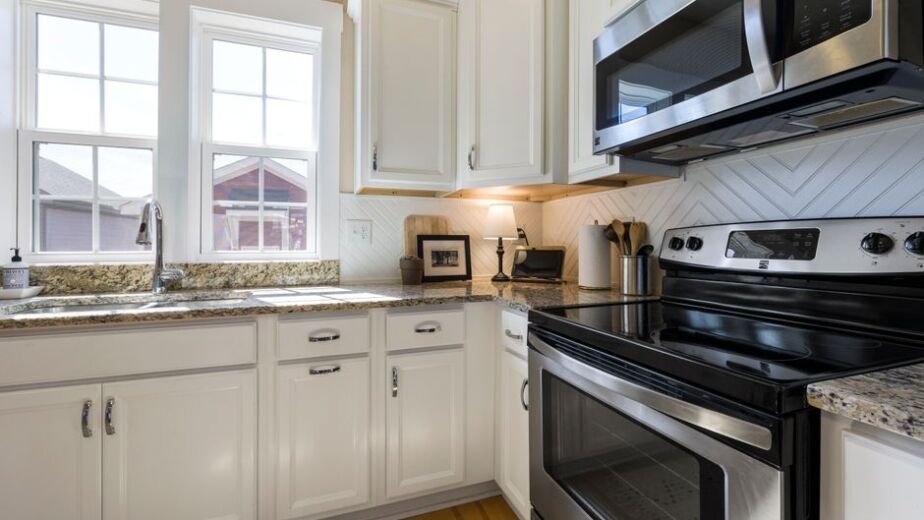
High-traffic areas beat up paint faster. Think about your kitchen, hallways, bathrooms, and entryways—these rooms see constant activity, moisture, temperature swings, and physical contact. Your bedroom or formal living room? Those spaces are kinder to paint and it hangs in there longer.
Related: How Much Does It Cost to Paint a Bedroom in 2026
Kids, pets, and busy households accelerate wear too. More hands on the walls, more humidity from showers, more cooking fumes. It all adds up.
Paint Quality Matters
Not all paint is created equal. Budget paint and professional-grade paint perform differently. Higher-quality paints contain better pigments, binders, and additives that resist fading, moisture, and staining. They also adhere better to the wall and stay flexible as your home’s humidity shifts.
Premium paint costs more upfront but often lasts longer and covers better, so you might need fewer coats.
Surface Prep and Application
This is huge. A wall that’s properly cleaned, primed, and sanded before paint goes on will hold that paint far longer than one that was just slapped over dirt and loose old finish. Poor prep means the paint doesn’t bond well, and it’ll peel, crack, or bubble sooner.
The number of coats matters too. One coat of paint is a gamble. Two coats is standard for good coverage and longevity. Some surfaces need three. Rushing the job or skipping steps will show up in premature wear.
Moisture and Humidity
Bathrooms and kitchens are paint killers because of constant moisture. Steam from showers and cooking can break down paint, cause mildew growth, and lead to peeling. Basements and laundry rooms face similar challenges.
Good ventilation helps a lot. Exhaust fans, open windows, and airflow reduce moisture damage and extend paint life.
Lighting and Sun Exposure
Rooms with lots of natural light will see paint fade faster than darker spaces. UV rays break down the pigments over time. South and west-facing walls inside your home experience more sun than north-facing walls, so expect them to fade or yellow slightly sooner.
The Timeline: When to Plan Your Next Paint Job
Most homeowners should expect to repaint their interior walls every 5 to 7 years for optimal appearance. By year 6, start thinking about refreshing high-traffic areas or rooms showing visible wear.
Related: How Often Should You Repaint Interior Walls? A Homeowner’s Guide
If you took good care of the original paint job—minimal moisture issues, moderate traffic, good ventilation—you might stretch it to 8 or even 10 years. But if your home has heavy use, humidity problems, or multiple active kids and pets, you could be looking at 4 to 5 years.
Don’t wait until paint is peeling or heavily scuffed to decide. Plan ahead so you can choose your colors and contractors without rushing. When you’re ready to move forward, Nu-Trend Painting Inc can walk you through the process and help you pick finishes that suit your home’s needs.
Signs Your Interior Paint Is Aging
Watch for these red flags that your paint is past its prime.
- Fading or yellowing: Color looks dull, washed out, or has shifted tone.
- Chalking: A fine, dusty residue rubs off on your fingers when you touch the wall.
- Peeling or flaking: Paint lifts away from the wall in small pieces, usually where humidity is high.
- Scuffs and marks: Marks from normal living won’t wash out and become permanent stains.
- Mildew: Dark spots appear in bathrooms or humid areas.
- Cracks: Fine cracks form in the paint film, often in corners or where walls meet ceilings.
Even if your paint looks okay, if it’s been 6 or 7 years and you’re tired of the color, refreshing is a smart move.
How to Extend Your Interior Paint’s Lifespan
You can’t stop time, but you can slow it down.
- Control humidity: Run exhaust fans during and after showers. Use a dehumidifier in damp rooms. Open windows on dry days to circulate air.
- Clean regularly: Dust and wipe walls gently to remove grime before it becomes embedded. Dirty walls look older faster.
- Avoid excessive moisture on walls: Wipe down bathroom walls after showers. Don’t let laundry steam build up unchecked.
- Use quality paint: Invest in mid-to-premium interior paint. It holds up better to wear and moisture.
- Proper prep before repainting: When your walls are ready for a refresh, thorough surface prep ensures the new paint sticks around for years.
- Choose the right finish: Semi-gloss and satin finishes are more washable and moisture-resistant than flat or matte. They’re ideal for kitchens, bathrooms, and high-traffic spaces.
Interior Paint Lifespan by Room Type
Different rooms have different timelines based on how hard they work.
- Bedrooms: 8-10 years. Low traffic and low moisture mean paint lasts longest here.
- Living rooms: 7-9 years. Moderate traffic. Paint holds up well if humidity is controlled.
- Kitchens: 5-7 years. Heat, cooking oil, moisture, and high traffic wear paint faster.
- Bathrooms: 4-6 years. Constant moisture and steam break down paint. Choose bathroom-specific semi-gloss or satin finishes.
- Hallways and entryways: 5-7 years. Heavy foot traffic and frequent contact with walls accelerates wear.
- Basements and laundry rooms: 5-7 years. Moisture and temperature fluctuations stress paint. Ensure good ventilation.
The Cost of Repainting: Plan Ahead
The cost to repaint your interior depends on several factors: the size of your home, the current condition of the walls (how much prep is needed), how many coats you need, the type of paint you choose, and whether you need primer.
Rather than guess, request a free estimate so you know what you’re working with. That way you can budget accordingly and schedule your project at a time that works for your family.
If you’re in St. Petersburg or the surrounding Pinellas County area, Nu-Trend Painting Inc offers free estimates for interior painting projects. Their team can assess your walls, discuss options, and give you a clear picture of what to expect.
Opened vs. Unopened Paint: Storage Matters

What about leftover paint sitting in your garage? How long does that last?
Unopened cans stored properly can last years—sometimes up to a decade. They’re sealed tight and protected from air and contaminants.
Once you open a can, the clock starts ticking differently. Opened latex paint can remain usable for months or even years if you seal the can tightly and store it in a cool, dry place. But poor storage—leaving the lid off, storing in a garage that freezes in winter, or exposing it to extreme heat—causes paint to separate, thicken, or go bad quickly.
Signs that paint has deteriorated: bulging or puffed-up can lids, a sour or unpleasant smell, or paint that won’t mix smoothly. Don’t use it if something seems off.
Planning Your Next Paint Job
If your interior paint is approaching the 5 to 7 year mark, start thinking about a refresh now. That gives you time to pick colors, get estimates, and schedule the work without feeling rushed.
Good preparation and professional application add years to your paint’s lifespan, so choosing an experienced contractor matters. Whether you’re repainting one room or your whole home, attention to detail in surface prep and paint selection really shows in how long your walls stay looking fresh.
How long does interior paint last in a bathroom?
Bathrooms are among the toughest rooms on paint because of constant moisture from showers and humidity. Interior paint in a bathroom typically lasts 4 to 6 years before showing wear, peeling, or mildew. Semi-gloss or satin finishes resist moisture better than flat finishes, so they’re the better choice for bathrooms. Good exhaust ventilation extends the life significantly.
Can I repaint over old interior paint?
Yes, but it depends on the condition. If the old paint is well-adhered, clean, and not peeling, you can paint over it. If it’s cracking, peeling, or chalky, you need to remove it or sand it smooth before new paint goes on. Proper prep work is the difference between a paint job that lasts and one that fails in a few years.
Does the type of paint finish affect how long it lasts?
Absolutely. Flat and matte finishes are beautiful but harder to clean and less durable. Eggshell, satin, and semi-gloss finishes are tougher, more washable, and more resistant to moisture and staining. Semi-gloss and satin are ideal for kitchens, bathrooms, and high-traffic spaces. Flat is fine for low-traffic bedrooms and living rooms.
What’s the best way to store opened interior paint?
Store it in a cool, dry place away from extreme temperatures—not in an unheated garage in winter or a hot shed in summer. Make sure the lid is sealed tightly so air doesn’t get in. Keep it away from direct sunlight. Stored this way, opened latex paint can last for years.