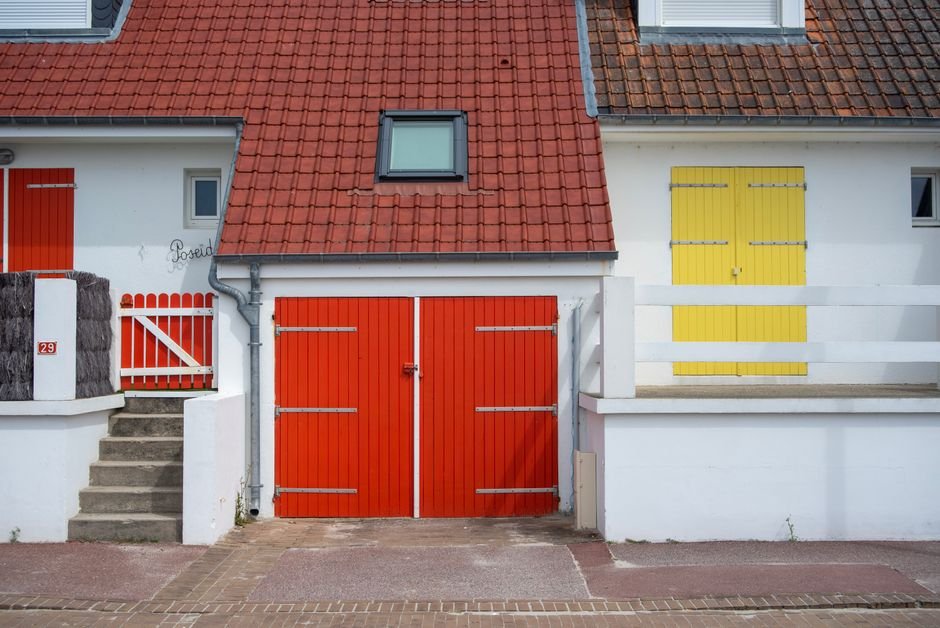
Painting your garage door is one of the quickest wins for boosting your home’s curb appeal. It’s totally doable if you follow the right steps, and honestly, the prep work matters way more than the actual painting. Here’s exactly how to paint a garage door so it looks professional and holds up to weather and wear.
Start With a Deep Clean
Before you touch a brush or roller to your garage door, you need to get it clean. This is non-negotiable. Dirt, grime, and buildup prevent paint from sticking properly, and your fresh coat will peel or flake within months if you skip this step.
Related: Average Cost to Paint a Room in 2026
Related: How to Paint Baseboards: A Step-by-Step Guide
Related: How to Hire a Painting Contractor: A Step-by-Step Guide
Related: How to Prep Walls Before Painting: Step-by-Step Guide
Related: How to Caulk Before Painting: Step-by-Step Guide
Related: How to Remove Mold Before Painting: Step-by-Step Guide
Related: How to Paint Aluminum Siding: Step-by-Step Guide
Related: How to Paint Kitchen Cabinets White: A Complete Guide
Related: Stucco Repair and Painting: A Complete Guide
Related: Can You Paint Over Stained Wood? Yes—Here’s How
Grab a hose and wet down the entire door. Use a degreaser (the kind you’d use on outdoor surfaces) and scrub the whole thing with a soft-bristle brush or cloth. Pay extra attention to corners, crevices, and any spots where dirt tends to accumulate. Rinse thoroughly and let it dry completely before moving forward. This usually takes a couple of hours on a sunny day.
Sand the Surface for Better Adhesion
Once your door is dry, light sanding is your next move. You’re not trying to strip the door down or remove the existing finish completely. You just want to roughen up the surface so primer and paint grip better.
Related: Best Paint Finish for Bathrooms: Satin vs Semi-Gloss
Use medium-grit sandpaper (around 120-150 grit) and sand in circular motions. A sanding block or orbital sander works great here. Wipe away all the dust with a damp cloth and let it dry. If you’re dealing with an aluminum garage door (super common on newer homes), take extra care during sanding because aluminum is softer than steel.
Apply a Bonding Primer
This is where a lot of DIY painters mess up. They skip primer or use regular wall primer on a garage door. Don’t do that. You need a bonding primer specifically designed for garage doors.
A bonding primer creates a strong foundation that helps paint stick and last longer. Apply it with a roller using smooth, even strokes. If you spot any bare wood or metal after the first coat, grab a paintbrush and spot-prime those areas. Let the primer dry according to the manufacturer’s instructions (usually a few hours). Don’t rush this part.
Paint With Two Coats

Now for the fun part. Use paint formulated specifically for garage doors, not standard house paint. Garage door paint is engineered to handle temperature swings, UV rays, and moisture better than general-purpose paint.
Apply your first coat with a roller, working from top to bottom in smooth, even passes. Avoid leaving thick puddles or drips. Once the first coat is dry (check the can for dry time), apply your second coat the same way. Two coats give you better color coverage, durability, and protection against fading.
Consider Your Paint Application Method
You have two main options here: roller or spray. A roller is cheaper, easier to control, and generates less overspray if you’re painting at home. Spray application is faster and can give you a smoother finish, but it requires more skill and protective setup.
If you’re a first-timer, stick with a roller and quality paint. If you’re dealing with a steel or aluminum door with a textured finish, a roller will follow those contours nicely. For a super sleek metal door, spray might give you a more uniform look, but honestly, either method works if you prep properly.
Timing and Weather Matter
Paint your garage door on a dry day when temperatures are between 50-85 degrees Fahrenheit. Humidity matters too. Paint doesn’t cure well in high humidity or cold weather, so pick a calm, mild day for this project. Avoid painting in direct sun if possible, because the surface gets too hot and paint dries too fast, creating uneven coverage.
If you live in St. Petersburg or the surrounding Pinellas County area and the Florida heat and humidity are making you second-guess this DIY route, Nu-Trend Painting Inc handles garage door painting year-round with the know-how to work around our local climate challenges.
Aluminum vs. Steel Doors: Know the Difference
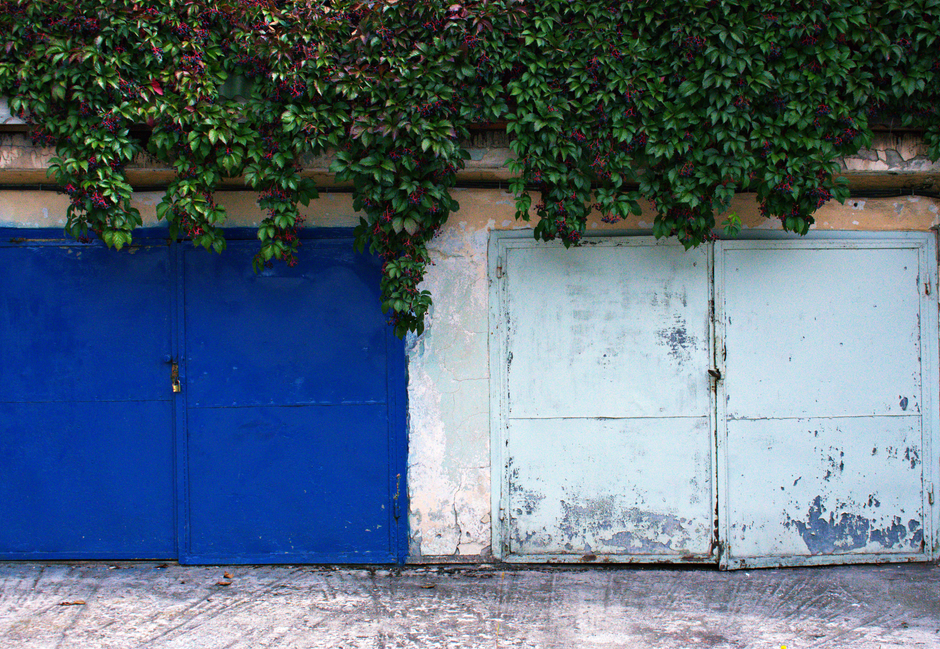
Aluminum garage doors are lighter and often found on newer homes. They’re prone to oxidation, which looks like a chalky, dull gray coating. Steel doors are heavier and more common on older homes. Both can be painted, but they need different primers.
For aluminum, use a primer that’s formulated for metal with oxidation resistance. For steel, a standard bonding primer works well. The paint application is the same regardless, but using the right primer for your door material makes a huge difference in how long the paint lasts.
Common Mistakes to Avoid
Skipping primer is mistake number one. It always comes back to bite you. Mistake two is painting in the wrong weather or applying paint when the surface is damp. Mistake three is using only one coat of paint and hoping for the best. Mistake four is not letting each layer dry completely before applying the next one.
One more thing: don’t use a paint roller that’s too thick or too thin. A medium-nap roller (around 3/8 inch) works best for most garage doors. If you’re unsure about any of these steps, professional painters like Nu-Trend Painting Inc have painted hundreds of garage doors and can knock it out cleanly in a fraction of the time.
Why Proper Preparation Makes All the Difference
A garage door gets hammered by sun, rain, temperature changes, and salt air if you’re near the coast. That’s why the prep work is genuinely the most important part of this whole process. A well-prepped door with quality primer and paint will look great for years. A poorly prepped door will start peeling within a season.
For more details on how professionals approach exterior painting projects like this, the general best practices from experienced painters align with what we’ve outlined here. The fundamentals don’t change, whether you’re doing it yourself or hiring someone.
When to Call a Professional
If your garage door is in rough shape, has deep rust or wood rot, or if you’re uncomfortable working on a ladder or handling spray equipment, that’s a solid reason to bring in professionals. Your time is worth something, and mistakes can be expensive to fix.
With over 35 years of family-owned expertise in residential and commercial painting throughout the St. Petersburg and Pinellas County area, Nu-Trend Painting Inc brings precision and experience to exterior projects like garage doors. If you’d rather have someone handle it right the first time, that’s what they do. Feel free to reach out for a free estimate and see what the project would actually cost.
Frequently Asked Questions
Can I paint a garage door without priming?
Technically yes, but you really shouldn’t. Primer creates adhesion between the door surface and the paint. Without it, paint sticks poorly, peels faster, and you’ll end up repainting sooner. It’s one extra step that saves you grief down the road.
How long does garage door paint last?
With proper prep and quality paint designed for garage doors, you can expect 5-7 years or more before it needs refreshing. The exact timeline depends on your climate, sun exposure, and how well you prepped the surface initially. Florida’s heat and humidity can shorten that window compared to milder climates.
What’s the best paint color for a garage door?
Whatever works with your home’s exterior and your personal style. Neutral colors like white, black, gray, and tan hide imperfections and age well. Bold colors make a statement but may show dirt and fading more visibly. Pick something you’ll be happy looking at for years.
Do I need to paint both sides of the garage door?
If the inside of your door is visible (like from your driveway or a side angle), painting it too creates a polished look. If nobody really sees the inside, you can skip it. It’s purely an aesthetic choice, though painting both sides does protect the inner surface from rust and deterioration on metal doors.