When you’re staring at a room that needs a fresh coat of paint, the first question that pops into your head is usually: should I do this myself or call someone? The answer depends on your skill level, how much time you have, what kind of project you’re tackling, and honestly, how much you value a polished finish.
The DIY vs professional painting decision isn’t one-size-fits-all. Both approaches have real advantages and real drawbacks. Let’s break them down so you can make the choice that actually fits your situation.
The DIY Painting Appeal
Painting your own space is tempting for good reasons. You save on labor costs by doing the work yourself, and you have complete control over every brush stroke, color choice, and timing. There’s also something satisfying about completing a project with your own hands.
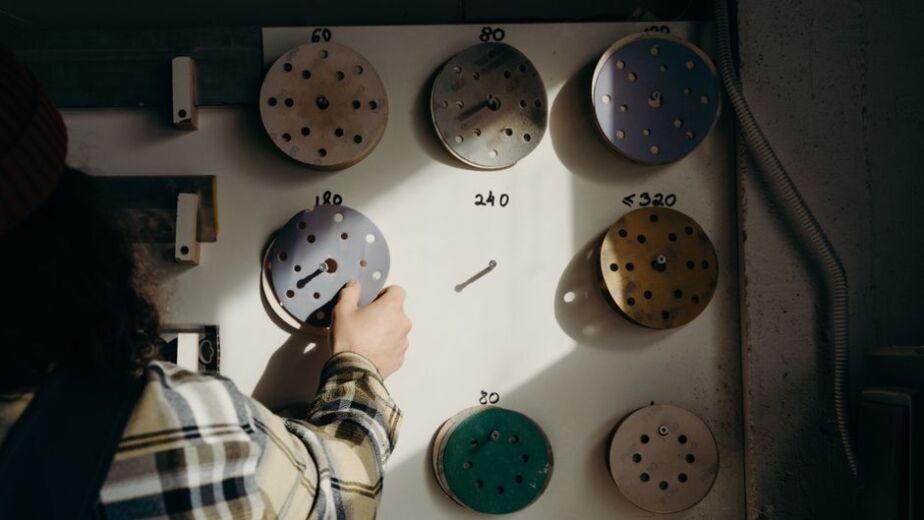
But here’s what catches most DIYers off guard: the actual time commitment. When you factor in prep work like taping edges, filling holes, sanding, priming, and protecting your floors and furniture, a single room can consume your entire weekend or more. Add multiple coats, drying time between coats, and cleanup, and you’re looking at days of work for what a professional might finish in a day.
Edge taping alone takes longer than most people expect. Getting sharp, clean lines along trim, corners, and ceiling edges requires patience, a steady hand, and the right tape. Rush it, and you’ll see imperfections every single day.
Why Professionals Deliver Faster Results
Professional painters aren’t fast just because they’re experienced. They show up with the right tools, proper equipment, and an efficient workflow. They know how to prep a space correctly the first time, which prevents problems down the road like peeling or uneven coverage.
Related: Deck Staining vs. Painting: Which Is Best for Your Home?
Related: Cabinet Painting vs Refinishing: Which Is Right for You?
Related: Eggshell vs Satin Paint: Which Finish Is Right for Your Home?
A professional team can typically complete a project in a fraction of the time it takes a homeowner. That matters if you need your space usable quickly, or if you’re dealing with a large area like an entire home or commercial property.
More importantly, professionals apply paint in a way that creates a durable, even finish. They understand surface prep, primer choice, paint selection, and application techniques. That’s why professionally painted walls tend to look better and last longer.
Project Complexity Changes Everything
Not all painting projects are created equal. Painting a single bedroom wall is completely different from painting textured surfaces, exterior siding, multiple stories, or interior trim and molding.
Simple projects like a small bedroom with standard flat walls are more forgiving for DIYers. You have fewer edges to worry about, and mistakes are easier to fix. But as soon as you introduce complexity like cathedral ceilings, intricate trim work, pressure washing before an exterior job, or specialty finishes, the skill level required jumps significantly.
Your ability to handle these details matters. If you’ve never painted before, attempting a complex project almost guarantees frustration and results you won’t be happy with.
Assessing Your Own Painting Skills

Be honest with yourself about your experience. Have you painted a room before? How did it turn out? Were you happy with the edges, the coverage, the finish? Do you have the right tools on hand, or would you need to buy or rent equipment?
If you’ve tackled painting projects in the past and were satisfied with the outcome, DIY might work for you again, especially for straightforward jobs. If you’ve never painted or weren’t thrilled with previous attempts, hiring professionals makes a lot of sense.
Consider also whether you enjoy this type of work. If the thought of spending your weekend taping, painting, and cleaning fills you with dread, that’s valuable information. Your time and stress matter.
The Real Cost Comparison
DIY painting requires an upfront investment in supplies: paint, brushes, rollers, tape, drop cloths, primer, sandpaper, and possibly equipment rental. For a large project, those costs add up faster than you’d think.
Professional painting involves labor costs, but you’re paying for expertise, efficiency, and a warranty on the work. Several factors affect what a pro charges, including the size of your home, the current condition of surfaces, how many coats you need, the type of paint you choose, and how much prep work is required.
To understand what a project might actually cost, Nu-Trend Painting Inc and other local contractors offer free estimates. That way you can compare the DIY cost against the professional cost with real numbers for your specific job.
When You Should Definitely Call a Professional
Some projects warrant professional expertise from the start. If your home has lead paint, exterior painting requires working at height or on a ladder for hours, you’re painting textured or specialty surfaces, or you need the work done quickly, hire a pro.
Interior trim and molding work also benefits from professional skill. Getting clean lines, even finish, and professional-quality results on trim is harder than it looks.
If you’re a property manager overseeing multiple units or a commercial space, professional painting is usually the smarter choice. Consistency, speed, and quality are critical, and pros deliver on all three.
Making Your Final Decision
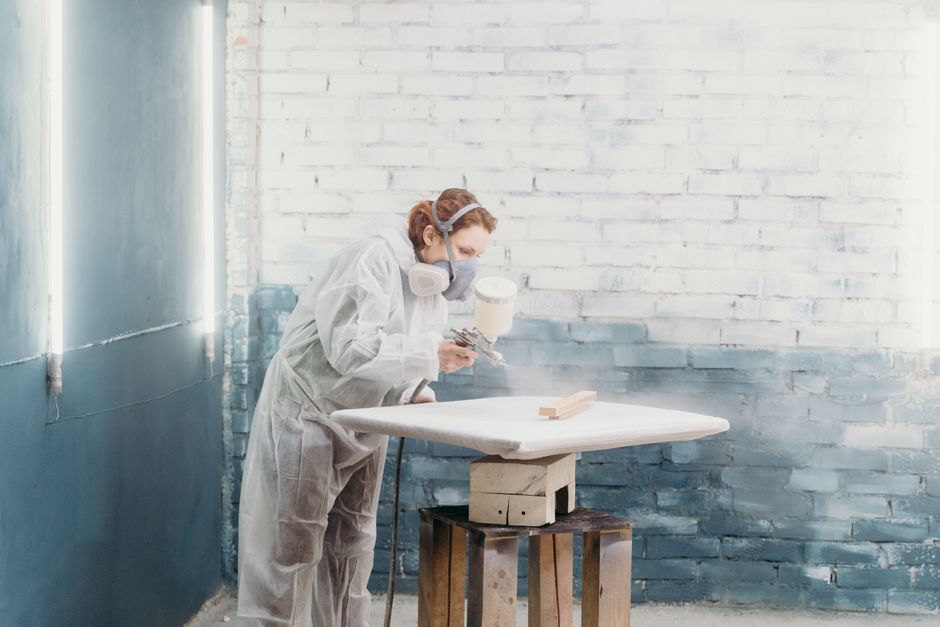
Here’s the framework: DIY works best for small, straightforward projects where you have painting experience, plenty of time, and realistic expectations about the final result. Professional painting makes sense when the project is complex, large, time-sensitive, or when you want a guaranteed quality finish.
If you’re leaning toward hiring someone, professional painting services in the St. Petersburg area can handle residential and commercial jobs of any size. Reach out for a free estimate and see what the investment looks like for your specific needs.
People Also Ask
How much longer does DIY painting take compared to professional painting?
DIY projects typically take several times longer. A professional might complete a room in a day, while a DIYer might spend an entire weekend on prep, painting, and cleanup for that same room. Larger projects stretch that gap even further.
Do I need special equipment or tools to paint my home?
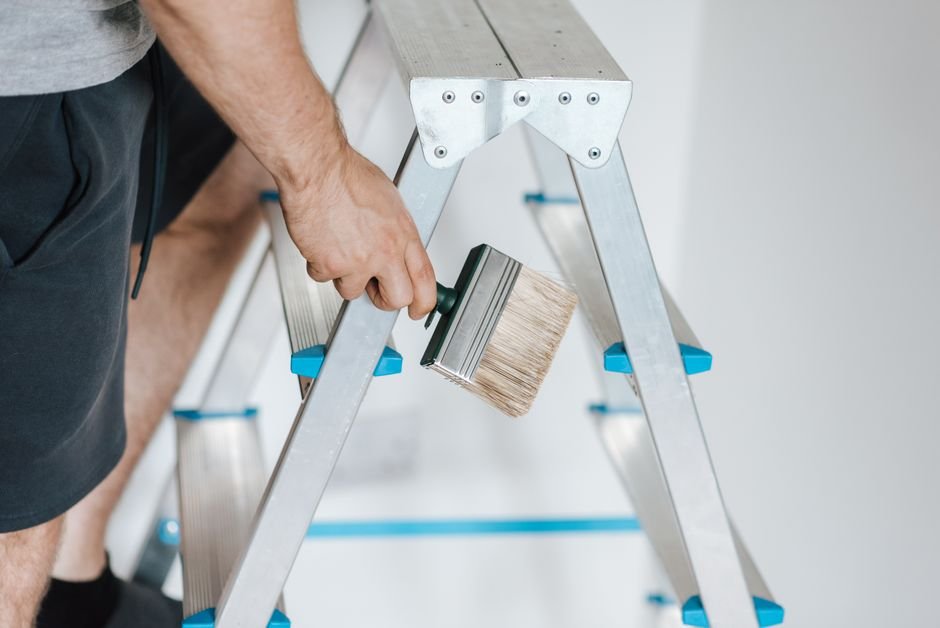
For basic interior walls, you need brushes, rollers, tape, drop cloths, and a ladder. For exterior work or specialty surfaces, you might need pressure washing equipment, sprayers, or other tools. If you don’t own these, rental or purchase adds to your DIY costs.
What surfaces are riskiest for DIY painting?
Exterior surfaces, textured walls, high ceilings, trim and molding, and surfaces that need pressure washing before painting are the trickiest. These require skill, proper technique, and sometimes specialized equipment.
Can I get professional results if I’m a first-time painter?
Probably not on your first try. Professional-quality results come from experience with surface prep, paint application, edge work, and understanding how different paints behave. If this is your first project, expect a learning curve and results that are good, not perfect.