Hiring house painters for the first time can feel like a mystery. You’re not sure what to watch for, how long it’ll take, or what separates a sloppy job from real craftsmanship. The good news: once you know what to expect, the whole process becomes way less stressful.
Here’s what actually happens when you hire professional house painters, from your first phone call all the way to opening your freshly painted front door.
Getting Your Free Estimate
The first step is reaching out to painters you’re considering. Most reputable contractors, like Nu-Trend Painting Inc, offer free estimates with no obligation to hire.
When a painter comes to look at your job, they’re doing a lot more than just eyeballing your walls. They’ll inspect the current paint condition, check for damage, assess how much prep work is needed, and figure out how many coats your project requires.
A good painter will ask you questions: What’s your timeline? Do you want interior, exterior, or both? Are there specific rooms or just a whole-house refresh? What’s your budget range? These details matter because they affect everything from scheduling to the final price.
Related: Exterior House Painting Clearwater Florida: Complete Guide 2026
Related: Deck Staining and Sealing: Complete Guide for 2026
Related: Pressure Washing Services: Complete Guide for Homeowners
Related: Fence Painting and Staining: Complete Guide for Homeowners
Related: Pool Deck Resurfacing and Painting: A Complete Guide
Related: Drywall Repair and Painting: Complete Guide for Your Home
Related: What Does a Painting Estimate Include? Complete Guide
Related: How to Prepare Your Home for Painters: Complete Checklist
Related: Signs Your House Needs Repainting: A Homeowner’s Guide
Always get written estimates from multiple painters. Never trust a verbal quote or a quick estimate over the phone. A written estimate should detail exactly what they’re painting, what prep work is included, what kind of paint they’re using, and when they’ll start and finish.
Understanding the Timeline for Your Project
How long does painting a house actually take? It depends on a lot of factors.
A smaller, single-story home with minimal prep work might take a week or two. A larger two-story house with exterior work, detailed trim, or surfaces that need extensive preparation could take several weeks. Paint has to dry between coats, and professional painters won’t rush that.
Painters also coordinate around weather (especially for exterior work) and their other scheduled jobs. A good contractor won’t overbook and then scramble to finish yours in half the time.
Ask your painter for a realistic start and end date. A professional should give you a timeline broken down by phase: prep days, first coat, second coat, trim work, final touches. If something unexpected comes up during the job (like discovering water damage under old paint), a good painter will tell you right away instead of just powering through.
What Happens Before the Brushes Come Out
Here’s where quality painters prove themselves: in the prep work.
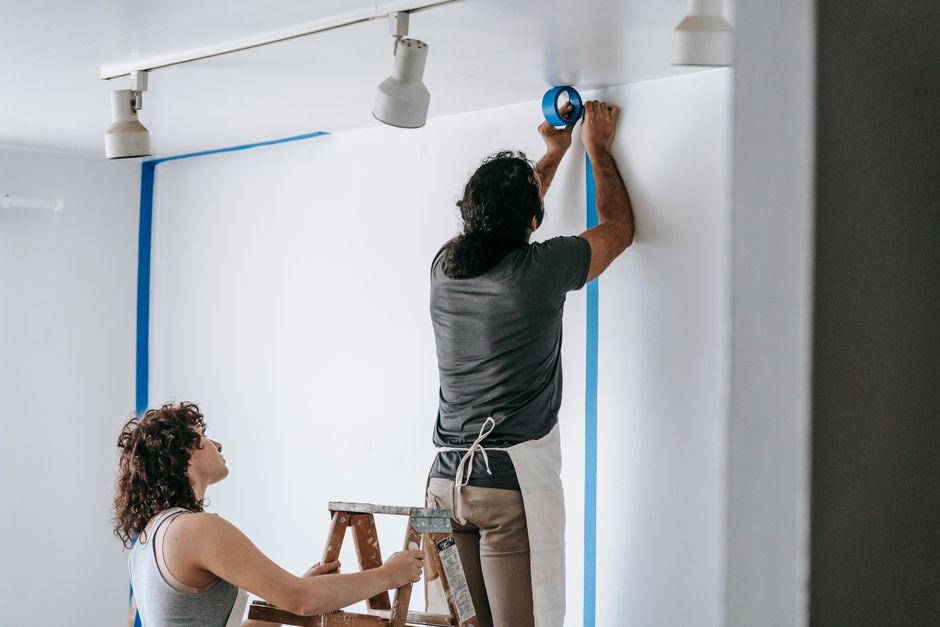
Your painter should protect everything that’s not getting painted. That means drop cloths on your floors, plastic sheeting over furniture, tape on trim and baseboards. It sounds simple, but sloppy prep is why some paint jobs look cheap. Professional painters spend serious time on this because they know that good prep leads to good results.
Depending on your walls’ condition, prep might include washing surfaces, filling holes and cracks, sanding rough spots, or priming stains. If your walls have old, peeling paint, they’ll scrape and sand. If there’s mold or mildew, that gets addressed. Your painter won’t just slap new paint over garbage and hope for the best.
Professionalism and Punctuality During the Job
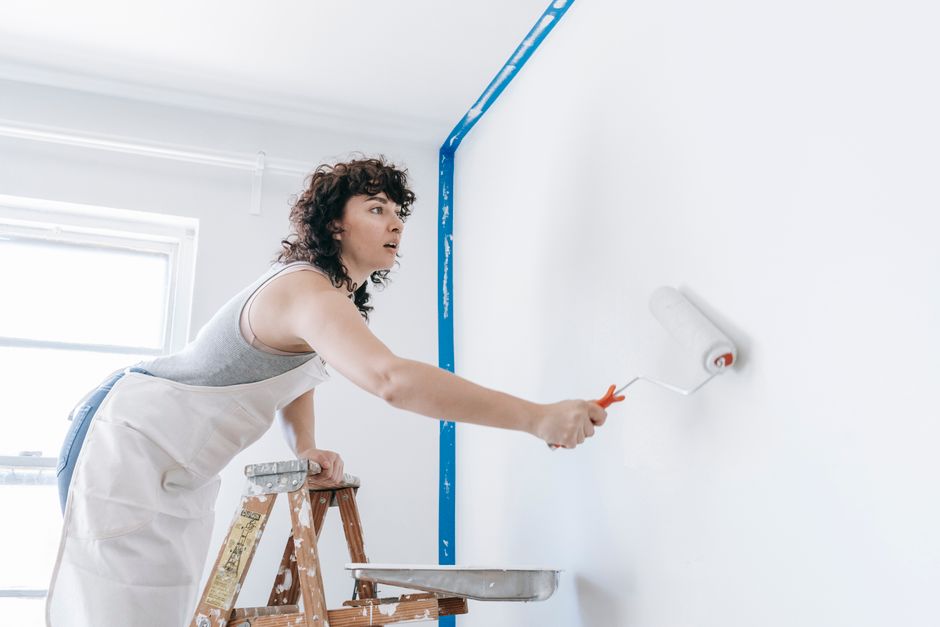
Once work starts, expect professional painters to show up when they say they will.
A reliable painting crew arrives on time, sets up efficiently, and works steadily throughout the day. They should take normal breaks, but not disappear for hours or show up late without calling. You want painters who respect your time and your home.
Your painters should be polite and neat. They should protect your furniture, keep dust contained, and clean up their work area at the end of each day. If you need to run errands or work from home while they’re there, the job shouldn’t feel chaotic or disruptive.
Communication matters too. If they run into an issue, they should tell you. If they’re going to be delayed, they should let you know in advance. This is what separates professional contractors from people who treat your home like a random job site.
Quality Work You Can Actually See
When painters are done, the results should speak for themselves.
Look at the trim and edges first. Professional work has clean, sharp lines where the paint meets trim, baseboards, and corners. There should be zero bleeding or sloppy overlap. If you see paint dribbling down trim or uneven edges, that’s a red flag.
Check the ceilings. They should be evenly covered with no drips, sags, or thin spots. Ceilings are harder to paint than walls, and experienced painters know how to do them right.
Walls should have consistent color and coverage. You shouldn’t see streaks, brush marks, or areas that look thinner than others. If the paint color is supposed to be a specific shade, it should match what you approved.
Trim and molding work should be crisp and detailed. If your painter is doing work on baseboards, crown molding, or door frames, that work should be just as sharp as the walls.
Getting References and Seeing Past Work
Before you hire, always ask to see examples of completed projects. A painter who’s proud of their work will have photos or can show you homes they’ve painted in your area.
Request references from past customers. Then actually call or email them. Ask how the experience went, whether the job was finished on time, if the painter cleaned up properly, and whether they’d hire them again.
If a painter won’t provide references or can’t show you past work, that’s a big warning sign. Experienced, confident painters are happy to prove themselves.
Finalizing Your Hiring Decision
Once you’ve collected written estimates, reviewed references, and seen examples of work, compare your options.
Don’t just pick the cheapest quote. A suspiciously low estimate often means corners will be cut: fewer coats, lower-quality paint, rushed prep, or both. You get what you pay for with painting.
Instead, look for the contractor who provides a detailed written estimate, has great references, shows quality work, and makes you feel confident they’ll treat your home with respect. If you’re in the St. Petersburg or Pinellas County area, Nu-Trend Painting Inc offers free estimates and has over 35 years of family-owned experience in residential and commercial painting.
Frequently Asked Questions About Hiring Painters
How far in advance should I book a painter?
Ideally, several weeks ahead, especially during busy seasons. Professional painters stay booked, so planning ahead makes sure your preferred dates are available. If you need work done urgently, call and ask about cancellations or emergency scheduling.
What should I do to prepare my home before the painters arrive?
Clear furniture away from walls, remove wall hangings and outlet covers, and let the painter know about any specific concerns or obstacles. Don’t move everything out entirely though—the pros will let you know what needs to happen. Painters handle most of the heavy prep work themselves.
Can I paint over wallpaper or textured walls?
Sometimes, but it’s not ideal. Wallpaper usually needs to be removed first for paint to adhere properly. Textured walls can be painted, but they may need priming and extra coats. Your painter will tell you during the estimate if removal is necessary.
What’s the difference between interior and exterior painting?
Exterior paint has to handle weather, UV rays, and temperature swings, so it’s more durable. Interior paint focuses on finish quality, color, and durability in controlled environments. The techniques and paint types are different, which is why you need a painter experienced in both if your project includes both.