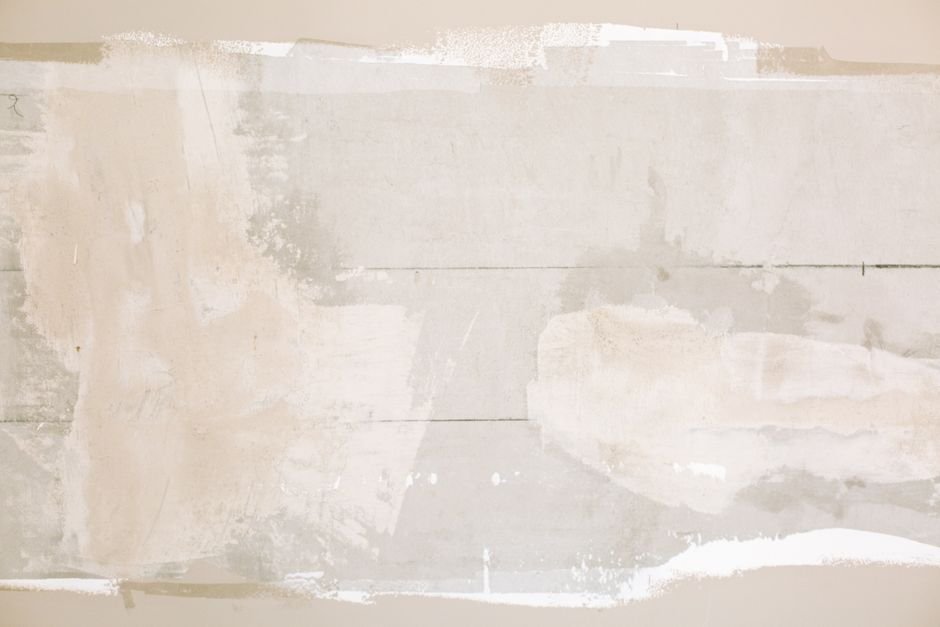
Drywall damage happens. Whether it’s a hole from moving furniture, water stains from a leak, or damage from plumbing work, your walls take a beating over time. The good news? Drywall repair and painting is a straightforward fix when you know what you’re dealing with.
This guide walks you through the whole process: what damage looks like, how professionals repair it, and why painting matters after repair. By the end, you’ll understand exactly what your walls need and what to expect when you call in the pros.
Related: Stucco Repair and Painting: A Complete Guide
Related: Pool Deck Resurfacing and Painting: A Complete Guide
What Kinds of Drywall Damage Happen Most Often?
Not all wall damage is the same, and different types need different approaches.
Related: How to Patch Drywall Before Painting: Step-by-Step Guide
Holes and dents are the most common. A doorknob punches through drywall. A furniture corner leaves a crater. These are easy fixes if they’re small, but larger holes (bigger than a few inches) need proper patching.
Water damage is trickier. If your roof leaked or a pipe burst, the drywall absorbs moisture and becomes soft and weak. Discoloration, peeling paint, and a spongy feeling when you touch the wall are all red flags. Water damage often needs the damaged section removed and replaced entirely, not just patched.
Plumbing damage shows up when contractors repipe your home or install new fixtures. Holes cut into walls for pipes, and sometimes those openings aren’t sealed properly before painting begins. This is where drywall repair and painting come in as a team.
Cracks and settling develop over time. Hairline cracks are normal, but wider cracks that keep coming back suggest a bigger structural issue worth investigating.
Why Drywall Repair Must Come Before Painting
You can’t just paint over damage and call it done. Here’s why the repair-first approach matters.
Painting covers the problem temporarily, but underneath, the damage spreads. Water damage continues to weaken the drywall. Holes let dust and air get behind walls. Cracks widen with movement and temperature changes. A year later, you’re looking at a bigger mess and more expensive fixes.
Professional drywall repair addresses the root cause. The damaged area is cut out, reinforced, and sealed properly. Once the surface is smooth and stable, then painting seals everything and gives you a clean, finished look.
Think of it like this: repair is the foundation, painting is the final layer. Skip the repair, and your paint job won’t last.
How Professional Drywall Repair Works
The process changes based on what you’re fixing.
For small holes (under 2 inches), a contractor fills the hole with spackling compound, sands it smooth once dry, and applies primer and paint. Quick and simple.
For larger holes, the process is more involved. A section of drywall is cut out around the damage to create clean edges. A backing frame is installed behind the hole. A new piece of drywall is cut to fit, fastened in place, and taped. Joint compound is applied in multiple coats to blend the seams seamlessly. Once dry and sanded, it’s primed and painted.
For water damage, the damaged drywall is removed entirely. The area is dried thoroughly and any mold is addressed. New drywall is installed, and the affected area is treated to prevent future moisture problems.
The key is precision. A sloppy repair shows through paint. A professional contractor gets the surface perfectly flat and smooth so paint goes on evenly and looks like there was never damage at all.
If you’re dealing with significant damage or aren’t sure how deep it goes, Nu-Trend Painting Inc can assess what needs to happen and handle the whole job from repair through final paint.
Choosing the Right Paint After Repair
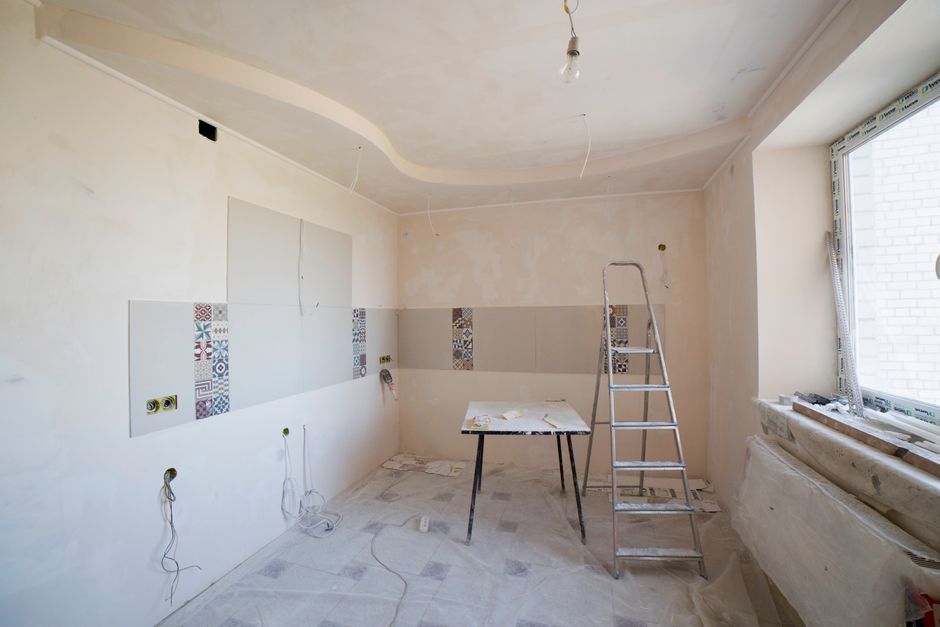
Once the drywall is repaired and ready, paint selection matters more than you might think.
New drywall is porous and absorbs paint differently than old painted surfaces. A primer-sealer ensures even coverage and prevents the repair from showing through after the first coat of paint. Without primer, you might need extra coats of paint, wasting time and money.
Paint type depends on the room. Bathrooms and kitchens need moisture-resistant paint because humidity is high. Bedrooms and living areas work fine with standard interior paint. High-traffic areas benefit from paint rated for durability.
Color matching is another detail. If you’re repairing one wall in a room that’s been painted before, the new paint needs to match the existing color exactly. Professionals handle this carefully to avoid a patch that looks obviously different.
The Drywall Repair and Painting Timeline
How long does the whole job take? It depends on the damage.
Small holes and drywall repair take one to two days from start to finish. Larger repairs involving multiple patches or sections might take three to five days. Water damage repairs take longer because the area must dry completely before new drywall is installed and primed, sometimes a week or more depending on moisture levels and the extent of the damage.
Once repair work is done, paint usually dries overnight between coats. Most interior painting is done in one to two days unless multiple coats are needed for color coverage.
The exact timeline also depends on surface preparation. If walls are dusty or have old, peeling paint, prepping them takes extra time. Nu-Trend Painting Inc discusses timing upfront so you know what to expect and can plan around the work.
What Affects the Cost of Drywall Repair and Painting
Several factors influence what you’ll spend on this project.
Extent of damage is the biggest one. A single hole costs far less than multiple sections needing repair or water damage affecting a large area.
Surface condition matters too. If existing paint is in good shape, prep is minimal. If walls are marked, dented, or have old paint peeling, more prep work is needed before repair and painting begin.
Number of coats affects time and materials. One coat of paint is faster than two or three, but coverage and durability vary.
Paint quality makes a difference. Premium paints often cover better, last longer, and resist moisture and stains more effectively than budget options.
Accessibility is worth mentioning too. Ceilings, high walls, or tight spaces take longer to work on and might require special equipment.
The only way to know your actual cost is to get a specific estimate based on your walls, damage, and paint choices. Most contractors, including Nu-Trend Painting Inc, offer free estimates so you can see exactly what the project will involve.
When to Call a Professional vs. DIY Drywall Repair
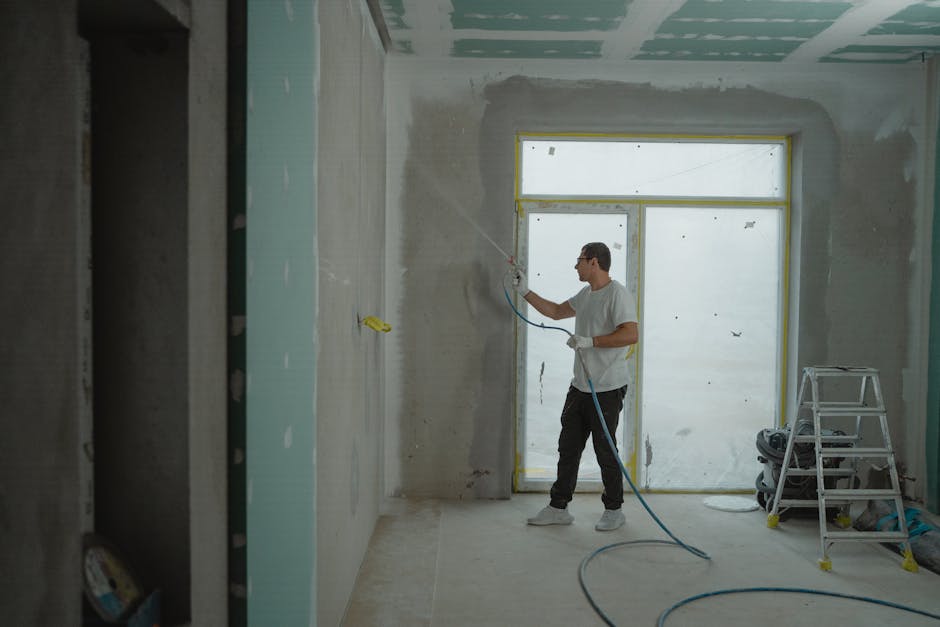
Small dents and nail holes are genuinely DIY-friendly. A can of spackling, a putty knife, and some sandpaper get the job done.
But larger repairs demand skill and the right tools. Getting drywall edges flush, taping seams invisibly, and blending repairs so they don’t show under paint takes practice. A botched repair is visible after painting, and fixing it costs more than hiring a pro from the start.
Water damage especially should never be a DIY project. Moisture issues hide behind walls and can lead to mold if not handled correctly. A professional evaluates the full extent of damage, ensures proper drying, and addresses any hidden problems.
If you’re confident in small repairs, go for it. For anything larger or uncertain, a professional handles it faster and better. You get a clean result and peace of mind that the job was done right.
Preventing Future Drywall Damage
Once your walls are repaired and painted, keep them protected.
Address leaks immediately. A slow drip from a roof or pipe causes serious damage over time. The sooner you fix the leak, the less drywall replacement you’ll need.
Protect walls in high-traffic areas with bumpers or protective guards, especially if you have kids or pets. Door stops keep doorknobs from punching holes.
Regular painting touch-ups seal and protect drywall, making it less vulnerable to moisture and damage. Primer and paint act as a barrier against humidity and minor impacts.
Watch for cracks that widen or return after repair. These might signal settling, structural movement, or ongoing moisture issues that need professional attention.
Getting Started with Your Project
Ready to fix your drywall and get fresh paint on your walls? Start by taking photos of the damage and noting any patterns you see (like cracks that keep reappearing or stains that spread). This info helps a contractor understand what’s really happening.
Then request an estimate. Walk through the damaged areas with a professional, explain what happened and when, and ask questions about the repair approach, timeline, and paint options. A good contractor listens and explains everything clearly so you know what to expect.
Drywall repair and painting is a proven, straightforward process when done right. The combination addresses both the damage underneath and the appearance on the surface, leaving you with walls that look perfect and are built to last.
FAQs About Drywall Repair and Painting
Can you paint over drywall damage without repairing it first?
Not effectively. Paint covers the visual problem but doesn’t fix the underlying issue. Holes stay weak, cracks keep widening, and water damage spreads. Proper repair seals and strengthens the wall so paint looks great and lasts longer.
How long does it take for drywall repair compound to dry?
Joint compound typically dries within 24 hours, but exact timing depends on humidity, temperature, and how thick it was applied. A professional waits until it’s completely dry before sanding and painting to avoid smudging or imperfections.
What’s the difference between spackling and joint compound?
Spackling compound is for small holes (under an inch). It shrinks less and dries faster. Joint compound is for larger repairs and seam taping because it’s more flexible and easier to sand smooth. A contractor chooses based on what the repair needs.
Will new paint match my existing wall color?
A good contractor can color-match using the existing paint or a sample you provide. Exact matching is easiest if you have leftover paint from the original job. If not, a professional brings samples and compares them in your room’s lighting to find the closest match.