Stucco is tough, but it’s not invincible. Cracks, fading, water damage, and general wear show up over time, and when they do, you need a plan. Here’s what you should know about stucco repair and painting.
What Stucco Repair and Painting Actually Involves
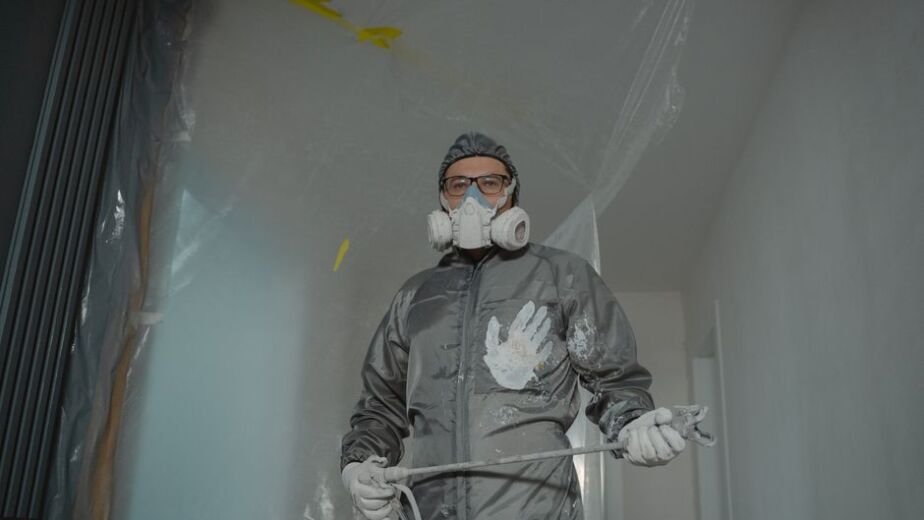
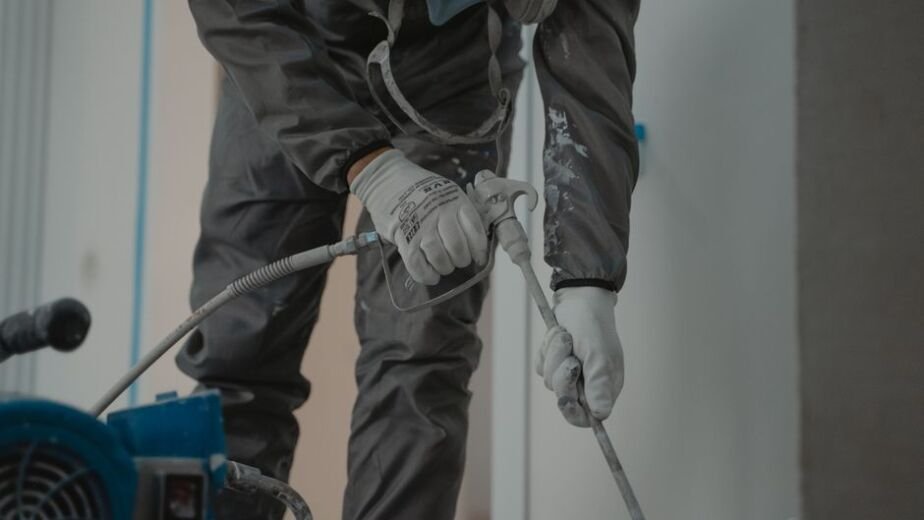
Stucco repair and painting isn’t just slapping a fresh coat on your exterior. It’s a two-step process: fix the damage first, then paint it.
The repair part tackles cracks, erosion, moisture problems, and any spots where the stucco is deteriorating. Once those are sealed and stabilized, painting protects the surface and restores curb appeal. Skip the repair step, and your paint won’t stick properly, and the underlying damage keeps spreading.
Think of it like fixing a cavity before whitening your teeth. One doesn’t work without the other.
Common Stucco Problems That Need Attention
Your stucco sends signals when something’s wrong. Here are the big ones:
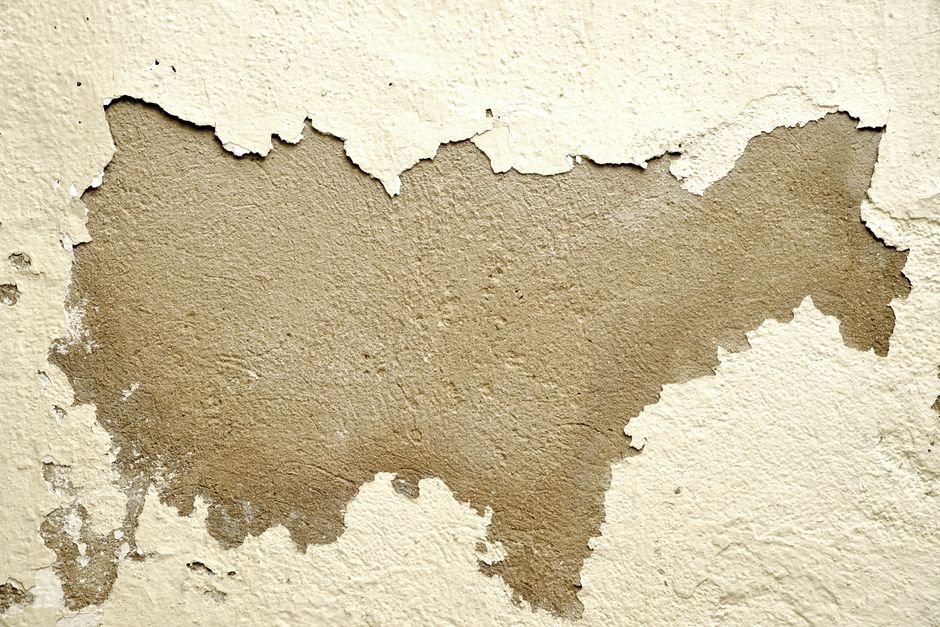
- Cracks and surface erosion: Small hairline cracks are common, but larger fractures mean water’s getting in.
- Fading and discoloration: UV exposure and moisture stains make your home look older than it is.
- Moisture intrusion: Water seeping behind stucco leads to mold, structural rot, and expensive repairs down the road.
- Bubbling or peeling: Paint lifting away indicates moisture trapped underneath.
- Missing chunks: When stucco actually breaks away, the base material underneath is exposed and vulnerable.
The critical thing? Address these issues fast. Small cracks that seem harmless now can become major water damage in a year or two. That’s when repair costs balloon.
Why Professional Assessment Matters
A professional inspection catches problems you can’t see. Water damage often hides behind the surface, and structural cracks sometimes signal deeper issues with the wall itself.
A good contractor walks your home, photographs problem areas, identifies moisture sources, and explains exactly what needs fixing before any paint goes on. This is the foundation for a project that actually lasts.
When you’re ready to move forward, Nu-Trend Painting Inc handles comprehensive damage evaluation so you know what you’re dealing with upfront.
The Repair Process Explained
Here’s what proper stucco repair looks like:
- Damage assessment: The contractor identifies all cracks, erosion, and moisture problems.
- Crack cleaning: Loose material is removed from cracks so new sealant bonds properly.
- Filling: Stucco repair compound or patching material is applied to cracks and damaged areas.
- Sanding and smoothing: Once repairs cure, surfaces are sanded to match the surrounding texture.
- Moisture remediation: If water intrusion is found, the source is addressed (gutter fixes, caulking, drainage) before painting.
- Priming: Repaired areas and the entire surface get primed to ensure paint adhesion.
This isn’t quick work, and rushing it leads to failures. Quality repair takes time.
Paint Selection for Stucco

Not all paint is created equal for stucco.
Elastomeric paint is a popular choice because it stretches with the stucco as temperature and humidity shift. This flexibility means fewer cracks in the paint layer itself. Acrylic latex paint is another solid option that breathes well and resists UV fade.
The wrong paint (like oil-based or low-quality exterior latex) doesn’t adhere well to stucco and peels faster. Your contractor will recommend paint that matches your climate and the specific condition of your surface.
Cost drivers for the entire stucco repair and painting project include your home’s square footage, the extent of damage, how many coats you need, surface preparation required, and the paint quality you choose. To understand what your project will cost, request a free estimate and have a professional assess your specific situation.
Timeline and What to Expect
A stucco repair and painting project isn’t a one-day job. Most residential projects take anywhere from a few days to a couple of weeks, depending on damage severity and weather.
Here’s why: repairs need time to cure, surfaces need proper prep, primer needs to dry, and paint typically needs multiple coats. Rushing these steps compromises the finished quality and longevity.
Your contractor should give you a realistic timeline upfront and explain what weather conditions might delay work. Good ones plan around rain and temperature swings because stucco and paint have specific temperature and humidity requirements for curing.
Preventing Future Stucco Damage
Once your stucco is repaired and painted, maintenance keeps it in good shape.
- Regular inspections: Walk around your home twice a year and look for new cracks or water stains.
- Keep gutters clean: Clogged gutters cause water to spill directly onto stucco.
- Trim vegetation: Vines and branches rubbing stucco can cause damage and trap moisture.
- Address caulking gaps: Around windows, doors, and trim, caulk should stay intact to block water entry.
- Pressure wash carefully: If you clean stucco, use low pressure and keep distance. Too much force damages the surface.
Small maintenance habits prevent big repair bills later.
Choosing the Right Contractor
Not every painter handles stucco well. You want someone with specific experience in stucco repair and painting, not just general exterior painting.
Here’s what to look for:
- Local experience with stucco (common in certain climates and regions)
- Verifiable customer reviews and references
- Clear communication about damage assessment and repair scope
- Licensed and insured
- Detailed written estimates that break down labor, materials, and timeline
- Warranty or guarantee on their work
Get estimates from multiple contractors. Compare not just price, but their approach to repair, paint selection, and how they explain the process. The cheapest bid isn’t always the best if they’re cutting corners on prep or materials.
When you’re evaluating contractors in the St. Petersburg and Pinellas County area, Nu-Trend Painting Inc brings over 35 years of family-owned experience with residential and commercial properties, emphasizing quality workmanship and punctuality.
When DIY Isn’t the Answer

Some homeowners think stucco repair and painting is a weekend project. It’s not.
Stucco has specific curing times, texture matching is an art, moisture problems require diagnosis, and paint application on porous surfaces demands technique. Getting it wrong means redoing it in a couple of years, which costs more than doing it right the first time.
If you’re comfortable with touch-up caulk or very small cosmetic repairs, fine. But actual stucco repair and a full repaint? Call a professional.
What Happens If You Skip Repair
Paint alone doesn’t fix stucco damage. If you paint over cracks and moisture problems, the paint peels within months or a year. Water continues entering behind the stucco, causing mold, wood rot, and structural damage that becomes exponentially more expensive.
The math is simple: spend on proper repair now, or spend triple on emergency structural work later.
Getting Started
Your next step is to get a professional inspection and estimate. Take photos of any visible damage, note where you’ve seen water stains or cracks, and have a contractor walk your home.
Related: Best Deck Stain Colors: Your Complete 2026 Guide
Related: How Often to Pressure Wash Your House: Complete Guide
Related: Best Paint for Trim and Baseboards: Complete Guide 2026
Related: What Grit Sandpaper Before Painting: Complete Guide
Related: How to Prep Walls Before Painting: Step-by-Step Guide
Related: How to Patch Drywall Before Painting: Step-by-Step Guide
Related: How to Caulk Before Painting: Step-by-Step Guide
Related: How to Remove Mold Before Painting: Step-by-Step Guide
Related: How to Remove Wallpaper Before Painting: Step-by-Step Guide
Related: How to Paint Kitchen Cabinets White: A Complete Guide
You’ll learn exactly what needs fixing, what materials and methods they recommend, and what the full project looks like. That clarity takes the guesswork out and helps you budget and plan.
Ready to get your stucco assessed? Nu-Trend Painting Inc handles the full stucco repair and painting process, from damage evaluation through final paint application, and they’re available for consultation in your area.
Frequently Asked Questions
How long does stucco repair and painting typically take?
Most residential projects take between 3 to 10 days, depending on the damage extent, surface area, weather, and how many coats of paint are needed. Repairs need curing time, and primer and paint each require dry periods. Your contractor gives a realistic timeline after the assessment.
Can you paint stucco without repairing it first?
Technically yes, but it’s a mistake. Paint won’t adhere well to damaged stucco, and it won’t address the underlying moisture or structural problems. You’ll see peeling within months. Always repair first, then paint.
How much does stucco repair and painting cost?
Costs vary based on your home’s size, damage severity, surface condition, how many paint coats are needed, and the paint quality you choose. Request a free estimate from a local contractor who can assess your specific situation and give you an accurate price.
What’s the best paint for stucco?
Elastomeric and acrylic latex exterior paints are popular choices because they flex with temperature changes and breathe well. Your contractor recommends the best option based on your climate, the current stucco condition, and your local weather patterns.