Getting your home ready for painters isn’t complicated, but it does matter. A few hours of prep work on your end makes the whole job smoother, faster, and cleaner. Think of it as setting up your painters to do their best work and protecting your stuff in the process.
Why Home Preparation Matters Before Painting
When your home is prepped right, painters can focus on what they do best instead of working around obstacles. No furniture in the way. No decorations they have to uninstall and reinstall. No rugs to cover or carefully protect. They move faster, work safer, and deliver a neater finish.
Related: Best Trim Paint Colors for Your Home in 2026
Related: How to Choose Exterior Paint Colors for Your Home
Plus, good prep protects your belongings. You keep your valuables safe, your furniture stays clean, and your floors don’t get accidentally scuffed or stained. It’s a win-win if you spend a little time getting organized before the crew arrives.
Step 1: Remove Wall Decorations and Accessories
Take down everything hanging on the walls. Paintings, picture frames, mirrors, shelves, light fixtures, outlet covers, switch plates, thermostats, and hooks all need to come off. Painters need clear wall access from top to bottom.
Store these items in a safe, dry spot. If you’ve got a lot of pieces, consider taking photos of each room before you take things down. That makes it easier to remember exactly where everything goes when you’re hanging it back up.
Step 2: Remove Window Treatments
If you can, take down blinds and curtains before painting begins. This gives painters full access to window frames and sills without having to carefully work around fabric.
If removal isn’t practical (because blinds are complicated or curtains are heavy), at least pull them to the side and secure them so they stay out of the work zone. Either way, let your painter know what you’ve done so there are no surprises.
Step 3: Clear Furniture from Rooms
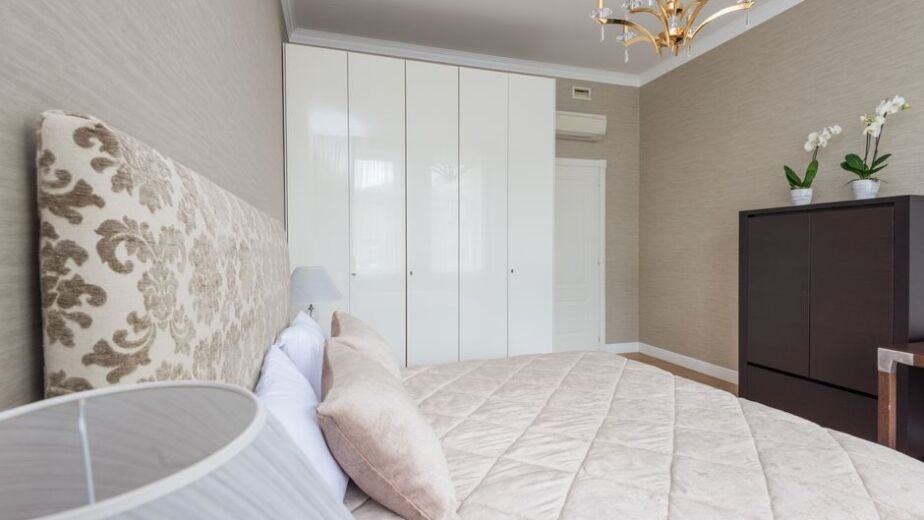
Move as much furniture as you can out of the rooms being painted. Couches, chairs, tables, beds, dressers, nightstands, and desks should all go if possible. If you can’t move everything, push the remaining pieces to the center of the room, away from all the walls.
This creates a clear perimeter around the entire room. Painters can move freely, protect what’s left with drop cloths, and you avoid any accidental bumps or paint splatters on your furniture.
Step 4: Remove Rugs and Floor Coverings
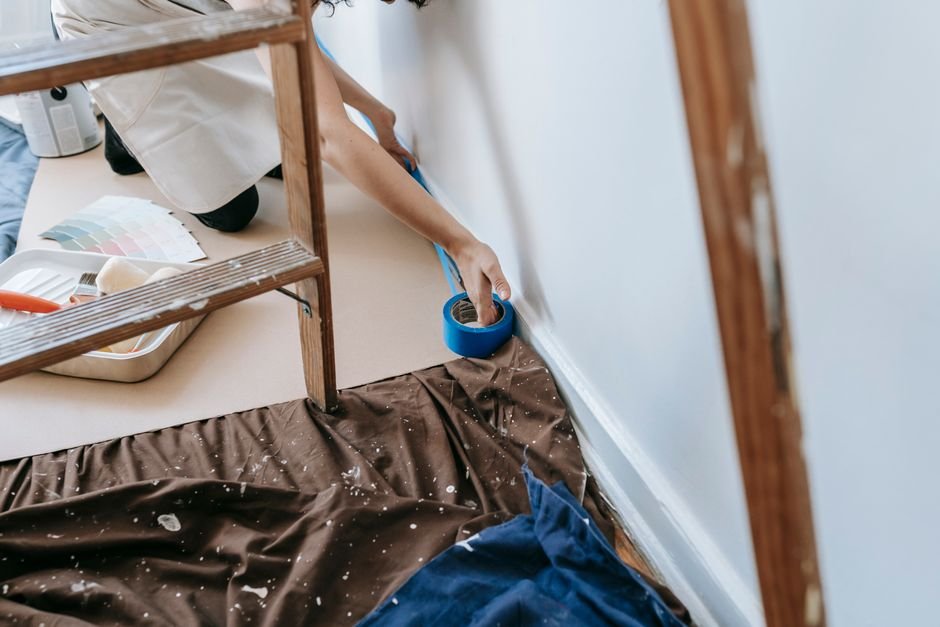
Take up area rugs, runners, and floor mats. While professional painters use drop cloths and tarps, rugs and runners create lumps and wrinkles that make protection uneven. They can also trap moisture underneath, which is never a good thing.
Related: Benefits of Hiring Professional Painters for Your Home
Store them somewhere clean and dry until after the paint has fully dried and any wet paint smell has cleared out.
Step 5: Stash Knick-Knacks and Valuables
Books, collectibles, electronics, photos, decorative items, and anything else sitting on shelves, tables, or dressers should be packed up and stored away. This keeps your belongings dust-free and out of the painters’ way.
More importantly, it gives you peace of mind. When your valuables are safely tucked away, you don’t have to worry about anything happening to them during the job.
Step 6: Clean Your Rooms Before Painting Starts
Give the rooms a good clean before the painters show up. Dust surfaces, vacuum or sweep floors, and wipe down baseboards. In bathrooms especially, clean thoroughly behind toilets and in corners.
Fresh, clean rooms mean less dust in the air while painting happens. Dust can settle on wet paint and ruin the finish, so a clean starting point helps everyone. Plus, you’re not embarrassed about the state of your home when the crew arrives.
Step 7: Handle Any Necessary Wall Repairs
If there are holes, cracks, dents, or damaged spots on your walls, get those fixed before painting begins. Nu-Trend Painting Inc can advise you on what needs prep work, but generally speaking, patched and sanded walls take paint better and look smoother.
Talk to your painter about what they can handle and what you should do beforehand. Some small repairs might be included in the job. Others might make more sense for you to do ahead of time.
Step 8: Take Before Photos

Snap some photos of each room before painting starts. Wide shots that show the overall room work best. These photos are helpful if you want to compare the before and after, and they also serve as a record in case there are any questions about the original condition of the walls or trim.
Step 9: Confirm Expectations With Your Painter
Before work begins, have a clear conversation with your painting contractor about responsibilities and expectations. What are you handling? What are they handling? When does prep happen? How long will the job take? What’s the schedule?
Related: What to Expect When Hiring House Painters: A Complete Guide
Related: Drywall Repair and Painting: Complete Guide for Your Home
This is your chance to ask questions. When you’re both on the same page, the job runs smoothly and you get better results. If you’re working with Nu-Trend Painting Inc, they can walk you through exactly what to do and what to expect from day one.
Final Touches: The Day Before Painting
The day before work starts, do a final walkthrough. Make sure all decorations are down, furniture is moved, and floors are clear. Check that any pets have a safe place to be during painting (usually somewhere away from the action with proper ventilation).
Open windows and doors to get fresh air flowing through the house. If you haven’t already, confirm the arrival time with your painter and make sure someone will be home to let them in and answer questions.
That’s really it. You’ve done your part, and now the professionals can do theirs.
People Also Ask
Do I need to move out of my house while it’s being painted?
Not always. Interior painting produces some smell and noise, but most people stay home during the job. If you’re sensitive to paint fumes, you might stay with family or friends for a day or two. For exterior painting, there’s usually no reason to leave at all. Just stay away from the work areas and keep windows closed if the smell bothers you.
What if I can’t move all my furniture?
That’s fine. Just push whatever you can’t move to the center of the room and let your painter know. They’ll protect it with drop cloths and work around it. It’s not ideal, but it works if that’s your situation.
Should I hire someone to help me prep?
If you’re physically able, prepping your home yourself saves money and only takes a few hours. But if you’re elderly, have mobility issues, or just don’t have time, some painters offer prep services for an additional fee. Ask about it when you get your estimate.
How long before painting can I put everything back?
Most interior paint is dry to the touch in a few hours, but it keeps curing for days or even weeks depending on the type. Wait at least 24 hours before putting furniture back and a few days before hanging pictures and mirrors. Your painter will give you specific guidance based on the paint and conditions.