So you’re thinking about giving your house a fresh coat of paint on the outside. First question that pops into your head? How much is this actually going to cost?
Here’s the honest answer: exterior house painting costs anywhere from $1,800 to $15,000 or more, depending on your home’s size, the condition of the surfaces being painted, how much prep work is needed, and what type of paint you choose. Most homes in the 1,200 to 1,600 square foot range fall somewhere in the $1,800 to $5,000 ballpark, but that’s just a baseline.
Related: How Much Does It Cost to Paint a Bedroom in 2026
Related: Average Cost to Paint a Room in 2026
The best way to get a real number for YOUR house is to request a free estimate from a licensed painter who can walk your property and see exactly what they’re working with. Nu-Trend Painting Inc offers free estimates throughout St. Petersburg and Pinellas County, so you can get specific pricing without any obligation.
Related: How Much Does It Cost to Paint a House Interior in 2026?
Related: How Long Does Interior Paint Last? A Homeowner’s Guide
Related: How Much Does Commercial Painting Cost in 2026?
What Actually Drives Exterior Painting Costs?
It’s not just about slapping paint on your house. Several factors determine whether your project lands on the low end or the high end of the price range.
Related: How to Prep the Exterior of a House for Painting
Related: Exterior Painting Cost Estimate: What to Expect in 2026
Related: Exterior House Painting Clearwater Florida: Complete Guide 2026
Home Size and Square Footage
Your home’s exterior square footage is the biggest cost driver. A smaller home (under 1,200 sq ft) will obviously cost less than a 3,000 sq ft mansion. Contractors calculate pricing partly by the amount of surface area they need to cover, so knowing your home’s dimensions helps you understand what to expect.
Surface Condition and Prep Work
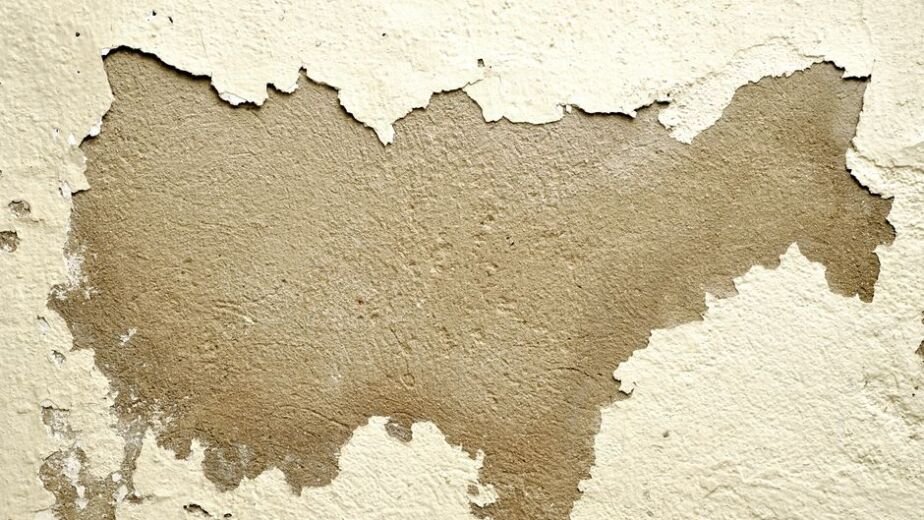
This is huge. If your current paint is peeling, chalking, or flaking, the contractor needs to scrape, sand, or pressure wash before they even crack open a fresh can. Damaged wood that needs repair, caulking gaps, or replacing rotted trim all add time and cost to the job.
Prep work can be 30 to 50 percent of the total job cost, depending on how rough things look. Skipping proper prep is a recipe for paint that doesn’t stick or fails quickly, so you want a contractor who takes this seriously.
Paint Quality and Type
Not all paint is created equal. Premium exterior paints with better UV protection, mildew resistance, and durability cost more upfront but last longer and look better. Budget paint might seem cheaper, but you’ll likely repaint sooner.
Related: Cost to Paint Kitchen Cabinets: Budget Breakdown 2026
Number of Coats
Most exterior jobs need at least two coats for solid, even coverage. If your home is a bold color change or the existing paint is dark, you might need a primer plus two topcoats. More coats mean more material and more labor time.
Surface Type
Wood siding, fiber cement, brick, stucco, and metal all paint differently. Wood needs more prep and maintenance. Stucco can be porous and require more paint. Brick might only need a fresh sealant or targeted touch-ups rather than a full coat. Your surface type affects both prep time and paint consumption.
Regional and Local Factors
Labor costs vary by region. St. Petersburg and Pinellas County have their own local market rates, which differ from other parts of Florida or the country. Climate also matters. Humidity, salt air near the coast, and intense UV exposure can affect paint longevity and the timing of when you can safely paint.
Breaking Down a Typical Quote
When you get an estimate, a professional contractor should itemize the work. Here’s what you’re usually paying for:
- Labor: The bulk of your cost, covering prep, painting, and cleanup.
- Materials: Paint, primer, caulk, sandpaper, drop cloths, and other supplies.
- Equipment: Scaffolding, lifts, or specialized equipment for multi-story homes.
- Repairs: Any structural fixes needed before painting can begin.
A quality contractor will break these down so you understand where your money is going. If a quote seems suspiciously low, it might mean they’re cutting corners on prep or using cheap paint. If it seems way higher than others, ask what’s included.
How to Calculate a Rough Estimate for Your Home
Want a ballpark figure before you call anyone? Here’s a simple math trick:
First, figure out your home’s exterior square footage. Measure the width and height of each wall, multiply those numbers, add all the walls together, and divide by 1,000 to get a rough square footage. (Don’t stress about being perfect—this is just for estimation.)
Then, multiply that number by $2.20 to $4.37. That gives you a baseline range for what exterior painting typically costs per square foot in 2026 markets.
Example: A 1,500 sq ft home exterior might run $3,300 to $6,555 before accounting for prep work, repairs, or premium paint. But remember, this is super rough. The only way to know for sure is to get a detailed estimate from someone who can see your house in person.
Tips for Getting Accurate Quotes
Don’t just call one painter and take whatever they say. Get at least two or three estimates so you can compare what’s included and where the pricing differs.
When you’re reaching out to contractors, mention any specific concerns: peeling paint, damaged trim, color changes, or areas that need extra attention. The more details you give, the more accurate the quote will be.
Ask if the quote includes pressure washing, caulking, and primer. Some contractors include these as standard; others charge extra. Understanding what’s built in helps you compare apples to apples.
Also ask how long the job will take. A rushed timeline or a contractor squeezing your project in between others might affect quality. Professional painters like those at Nu-Trend Painting Inc will give you a realistic schedule and stick to it, because punctuality and reliability matter just as much as the finished paint job.
Common Cost Mistakes Homeowners Make
One big mistake is focusing only on the cheapest quote. Painting is visible on your house every single day. Hiring someone primarily because they undercut everyone else often leads to regret when the paint starts failing or you notice sloppy work.
Another mistake is underestimating prep. Some people see the labor cost and try to negotiate it down by skipping prep or using one coat instead of two. This almost never works out. Paint that hasn’t been properly prepped fails fast, and you end up repainting sooner.
Don’t forget about weather delays either. If your project is scheduled for a season with lots of rain or humidity, timelines can shift. Factor in some buffer time.
Why Professional Painters Cost More Than DIY
You might think painting your house yourself could save thousands. And sure, labor is the biggest line item in a professional quote. But here’s why hiring a pro makes sense:
- Speed: A professional crew finishes in days what takes a homeowner weeks or months of weekends.
- Safety: Working at height on ladders or scaffolding is dangerous. Professional painters have the equipment and experience to do it safely.
- Quality: Years of experience means even prep, smooth coverage, clean lines, and no drips or runs.
- Warranty: Many professional painters stand behind their work with a warranty. DIY? You’re on your own.
- Materials: Pros buy paint at trade rates and know exactly how much you need. No waste.
For most homeowners, the peace of mind and results are worth the cost.
What to Expect in Your Free Estimate
A thorough estimate should include:
- A walk-through of your exterior with notes on condition
- The scope of work (prep, repairs, number of coats, primer)
- A breakdown of labor and materials
- Timeline and weather considerations
- A total price in writing
- How long the quote is valid (usually 30 days)
Red flags: A quote that’s vague, doesn’t include details, is quoted over the phone without a site visit, or pressures you to decide immediately. Good contractors are transparent and patient.
When you’re ready for a professional evaluation, reach out to Nu-Trend Painting Inc to schedule your free estimate. With over 35 years of family-owned experience in St. Petersburg and Pinellas County, they’ll give you honest, detailed pricing tailored to your specific home and needs.
Budgeting and Payment Options
Once you have a quote, think about how to fit it into your budget. Some contractors accept payments in installments. Others require a deposit upfront (typically 25 to 50 percent) and the balance upon completion. Never pay the full amount before the work is done.
Also think timing. If you’re planning other home improvements, bundling exterior painting with pressure washing or trim work might save money since the crew is already there and set up.
Don’t wait too long, either. Damaged exterior paint gets worse every year. Waiting might mean more expensive repairs later. Budget for exterior painting every 5 to 10 years, depending on your climate and paint quality.
How often should I repaint my house exterior?
Most homes benefit from repainting every 5 to 10 years. In coastal areas like Pinellas County, where salt air and intense sun accelerate paint breakdown, you might need it more frequently. Check your paint condition annually, and if you notice peeling, fading, or chalking, it’s time to refresh.
What time of year is best for exterior painting?
Late spring through early fall is ideal in Florida because you want dry conditions and mild temperatures. Humidity and rain make it hard for paint to cure properly. Your contractor can advise on the best window based on the current weather forecast.
Should I paint my house myself to save money?
You could, but the risks are real. Improper prep leads to paint failure. Working at height is dangerous. Buying all the equipment and materials—plus your time—often eats most of the savings. For a quality, long-lasting result, professional painters are the smarter move. See how construction hazards affect safety to understand the risks involved in DIY work at height.
What’s included in a typical exterior painting quote?
Most quotes cover surface prep (power washing, scraping, sanding), minor caulking and repairs, primer (if needed), and two coats of finish paint. Structural repairs, replacing rotted boards, or extensive caulking might be extra. Always ask what’s included and what costs extra so there are no surprises.