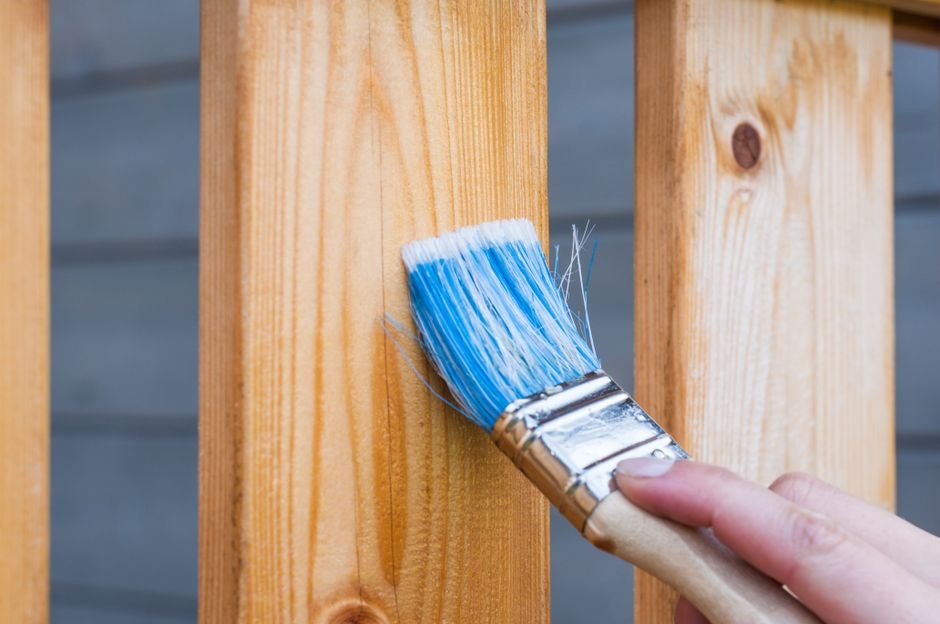
The big question when you’re looking at your deck: should you stain it or paint it?
Here’s the honest answer right up front: paint lasts longer and offers more uniform protection, but stain brings out the wood’s natural beauty and handles moisture better in certain situations. The right choice depends on your deck’s location, your climate, and how much maintenance you’re willing to do.
Related: Eggshell vs Satin Paint: Which Finish Is Right for Your Home?
Let’s break down what actually matters so you can make the call that fits your home.
Deck Staining vs. Painting: The Core Differences
Stain and paint work totally differently on wood. Understanding that difference is your first step to picking the right one.
Related: How to Cut In When Painting: Pro Tips for Clean Edges
Paint sits on top of the wood. It creates a solid protective layer that blocks UV rays, rain, and foot traffic. You get a uniform, refined look—usually glossy or matte, depending on the finish you choose. Paint is thicker, so it covers imperfections and weathering.
Stain soaks into the wood fibers. It enhances the natural grain and color instead of hiding it. You still get wood texture showing through. That’s why stain looks more organic and rustic. But because stain doesn’t sit on top like paint does, it offers less of a physical barrier against damage.
Both protect wood from the elements, but they protect differently. That matters a lot.
Durability and How Long Each Lasts
Paint typically lasts longer overall. You’re looking at 7-10 years or more before you need a full repaint, depending on sun exposure and foot traffic. Paint doesn’t wear away as fast because it’s not absorbing weathering the way stain does.
Stain usually needs touch-ups or refreshing every 2-3 years in high-traffic areas, or every 3-4 years on shaded decks. It fades gradually and wears thinner over time. The upside? Stain is easier to refresh because you’re not dealing with peeling paint.
There’s a catch with paint though: if moisture gets trapped underneath, paint can actually trap that water and cause rot or damage to the wood itself. Stain, because it soaks in rather than seals on top, tends to handle moisture better—water can move through the stain and the wood can breathe.
In cold climates where freeze-thaw cycles happen, stain often performs better. Freezing water can push paint off the surface, but stain flexes with wood movement more naturally.
Cost: What You’ll Actually Pay
Stain is cheaper upfront. The material costs less, and application is usually faster. But here’s the full picture: you’ll be maintaining and reapplying stain more often, which adds up over time.
Paint costs more initially because you typically need primer plus multiple coats. But since you’re not touching it up every few years, the long-term cost can be comparable or even better.
The real cost drivers for either option are the same: your deck’s size, the current condition of the wood, how many coats you need, how much prep work is required, and which paint or stain product you choose. If your deck’s surface is damaged or hasn’t been sealed in years, prep work will be significant either way.
Want an accurate quote for your specific deck? Nu-Trend Painting Inc offers free estimates so you can compare both options with real numbers based on your home’s situation.
Shaded Decks vs. High-Traffic Areas: Where Each Shines

Location matters. A lot.
Choose stain if your deck is shaded or partially shaded. Shaded decks are prone to moisture buildup, moss, and mildew because sun doesn’t dry them out quickly. Stain handles this better because it doesn’t trap moisture the way paint does. You get better breathability and fewer moisture-related problems.
Stain is also your friend if your deck sits under a tree canopy. Falling leaves and debris create moisture pockets. Stain’s porosity lets that moisture escape, reducing rot risk.
Go with paint if your deck gets full sun or heavy foot traffic. Paint offers superior UV protection and wears better under constant use. High-traffic areas see more scuffing and wear, and paint’s uniform finish hides that better than stain. Sun-exposed decks benefit from paint’s stronger barrier against UV damage.
Commercial decks or rental properties also favor paint because the durability and lower maintenance fits a higher-use situation.
Preparation: You Can’t Skip This
Both stain and paint need proper prep. Don’t rush this step.
If your deck is pressure-treated wood, it needs to cure first. Manufacturers generally recommend waiting 6-9 months after construction before applying any stain or paint. New pressure-treated wood is too wet for finishes to stick properly. If you stain or paint too soon, it’ll fail faster.
Existing decks need pressure washing and sanding to remove dirt, algae, old finishes, and weathered surface fibers. You’re basically prepping a blank canvas. This prep determines how well your stain or paint adheres and how long it lasts.
Paint usually requires a primer coat as a base layer. Stain typically goes straight onto clean wood. That’s one reason stain feels faster, but primer is worth the step with paint—it improves adhesion and durability.
For professional prep and application, Nu-Trend Painting Inc handles the whole process correctly, making sure your deck gets the foundation it needs for a long-lasting finish.
Maintenance: What Ownership Actually Looks Like
Let’s talk about life after application, because that’s where the real difference shows.
Stain maintenance is frequent but simple. You’ll inspect annually and reapply or touch up every 2-4 years depending on weather and sun exposure. The good news: you’re just reapplying stain, not scraping off failed paint. It’s a refresh, not a full removal.
Paint maintenance is less frequent but more involved. You might go 7-10 years between full repaints, but when paint starts failing, it peels. You’ll need to scrape, sand, and prep before recoating. The gap between maintenance is longer, but each maintenance event is bigger.
Keeping your deck clean—sweeping leaves, preventing moss—matters for both. But stain in particular benefits from regular cleaning because it doesn’t hide algae and mildew buildup the way paint does.
Appearance: Aesthetic Goals Matter

This is personal, but it shapes your choice.
Stain shows off the wood. You get natural grain, color variation, and that authentic, rustic look. If you love the way wood looks, stain preserves that character. Different wood species take stain differently too, so a cedar deck stained looks completely different from a pressure-treated deck stained.
Related: Best Deck Stain Colors: Your Complete 2026 Guide
Related: Stucco Repair and Painting: A Complete Guide
Related: How to Caulk Before Painting: Step-by-Step Guide
Paint gives you a refined, uniform surface. It hides imperfections, weathering, and wood inconsistencies. You can choose any color you want—paint isn’t limited to wood tones. If you want your deck to coordinate with your house’s trim or shutters, paint gives you that control.
Neither is objectively better—it’s about what you want your deck to look like.
Making Your Final Decision
Here’s a quick decision framework:
- Choose stain if: Your deck is shaded, you love natural wood look, you’re okay with frequent touch-ups, or you want lower upfront cost.
- Choose paint if: Your deck is in full sun, you value durability over appearance, high traffic is expected, or you want a specific color match.
Climate also matters. Cold regions with freeze-thaw cycles usually favor stain. Warm, humid climates where moisture is the main enemy also often favor stain because breathability matters more.
When you’re ready to move forward, getting a professional assessment makes sense. Nu-Trend Painting Inc has over 35 years of experience finishing decks throughout St. Petersburg and Pinellas County, and they can evaluate your specific deck, location, and wood condition to recommend the best option. A free estimate gets you a clear picture of what each choice looks like for your home.
Common Questions About Deck Staining vs. Painting
Can I paint over stain, or stain over paint?
Painting over stain works, but you need primer because paint doesn’t adhere well to stain. You’re adding a layer on top. Staining over paint doesn’t work well—stain can’t soak into the paint barrier. If you want to switch from paint to stain, you’d need to strip the paint first, which is labor-intensive.
Which option is better for wet climates?
Stain generally performs better in wet or humid climates because it doesn’t trap moisture. However, this assumes your deck has proper drainage and ventilation underneath. If water pools on your deck or drains poorly, both stain and paint will struggle. Nu-Trend Painting Inc can assess your deck’s drainage situation and recommend the best finish based on water management, not just the finish itself.
How do I know if my deck is ready for stain or paint?
Clean wood with no old finish, mold, or significant damage is ready. If your deck is gray and weathered, it needs cleaning and possibly sanding. If it has peeling paint or stain, that needs to come off. Most decks benefit from professional pressure washing and assessment—that’s the best way to know if you’re starting with a good foundation.
What’s the environmental impact of stain vs. paint?
p>Both contain solvents and chemicals, but modern exterior stains and paints are increasingly eco-friendly. Water-based options produce fewer fumes than oil-based finishes. Since stain requires more frequent reapplication over time, you’re using more product over a 20-year period with stain. Paint’s longer durability means fewer applications total. Talk to your contractor about low-VOC or environmentally friendlier options for whichever finish you choose.