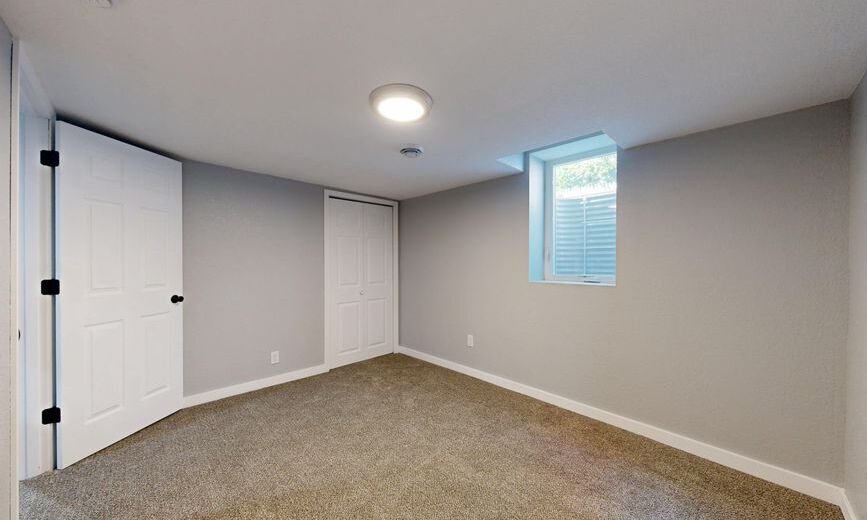
Getting a painting estimate is the first step toward refreshing your space, whether you’re painting interior walls, an exterior, or trim work. A good estimate gives you a clear picture of what the job will cost and what’s included. Let me walk you through how to get one that actually makes sense.
What Exactly Is a Painting Estimate?
A painting estimate is a detailed quote from a contractor that breaks down the scope of work, materials, labor, and prep work needed for your project. It’s not a binding contract, but it should be specific enough that you know exactly what you’re paying for and what the painter will do.
Related: How to Hire a Painting Contractor: A Step-by-Step Guide
Related: How to Paint a Pool Deck: Step-by-Step Guide
Related: How to Paint Window Trim: Step-by-Step Guide
Related: How to Paint Baseboards: A Step-by-Step Guide
Think of it as a professional roadmap. A solid estimate protects you because it lists everything the painter will tackle. No surprises later. No “oh, we didn’t realize we’d need to prep that wall” conversations.
Step 1: Measure Your Space Accurately
Before you contact anyone, grab a tape measure and measure the areas you want painted. For interior walls, measure the length and width of each room. For exterior work, measure the side of your house or the specific surface you’re painting.
Write down these measurements. You don’t need to calculate square footage yourself, but having the numbers ready helps the painter move faster when they visit. If you’re unsure about anything, that’s fine. The contractor will remeasure on-site anyway.
Step 2: Document the Condition of Your Surfaces
Painters need to know what shape your walls or exterior is in. Are there cracks? Peeling paint? Water stains? Mold or mildew? Holes that need patching?
Take a few photos with your phone if you can. Note any problem areas. This stuff matters because surface prep affects the estimate. A wall that needs extensive sanding and filling takes more time and skill than a smooth, clean wall. Painters factor that into their quote.
Same thing goes for exterior surfaces. If your siding is weathered, your trim is rotting, or your deck needs pressure washing before painting, that all gets included in a real estimate.
Step 3: Know What You Want Painted
Be clear about scope. Are you painting just one room or the whole house? Interior walls only, or trim and doors too? Exterior siding, soffit, and gutters?
Different projects have different pricing structures. Interior walls might be quoted per room or per square foot. Exterior work might bundle siding, trim, and prep differently. Tell the painter exactly what you want done so they can organize their estimate properly.
Step 4: Pick Your Paint Type and Finish

You don’t have to be an expert, but let the painter know your preferences. Do you want flat, eggshell, satin, or semi-gloss? Indoor or outdoor paint? Any color preferences or special requirements?
Paint quality varies. Premium paint often covers better, lasts longer, and requires fewer coats than budget options. The type you choose affects the final cost. Be honest about your budget, and a good painter will recommend products that give you the best value.
Step 5: Contact a Professional Painter for an In-Person Estimate
Don’t rely on phone quotes or online calculators for anything serious. You need a painter to walk through your space, look at the surfaces, and see what they’re working with.
When you call, describe your project clearly and ask if they offer free estimates. Most reputable painters do. They’ll schedule a time to come out, take measurements, inspect the work area, and ask questions about your preferences.
If you’re in St. Petersburg or Pinellas County, Nu-Trend Painting Inc provides free estimates for residential and commercial projects. They’ll assess your specific needs and give you a detailed quote with no pressure.
Step 6: Review the Written Estimate Carefully
A professional estimate should be in writing. It needs to include labor costs, material costs, prep work, the number of coats, and a timeline. It should also say whether the painter provides cleanup and what happens if extra work is discovered.
Good estimates break things down into line items. For example:
- Surface preparation (sanding, patching, priming)
- Paint material (brand, type, number of coats)
- Labor (hours or square footage)
- Trim work or specialty areas
- Cleanup and disposal
Don’t just look at the bottom number. Read the whole thing. Make sure it matches what you asked for.
Step 7: Ask Questions Before You Commit
If something in the estimate doesn’t make sense, ask. What’s included in prep? How many coats of paint? Will they move furniture or do that themselves? What if they find problems once they start (like water damage or rot)?
A painter who takes time to answer your questions is someone you can trust. They should be clear, professional, and willing to explain their process.
What Affects Your Estimate?

A few key factors shape what you’ll pay:
- Home size and surface area: Bigger spaces take more time and materials.
- Surface condition: Heavily damaged surfaces need more prep, which costs more.
- Number of coats: Two coats cost more than one, but they last longer and look better.
- Paint quality: Premium paint is pricier but often worth it.
- Complexity: Detailed trim work, high ceilings, or specialty finishes add to the cost.
- Timeline: Rush jobs sometimes cost more.
None of these things are hidden. A good painter will explain how each one affects your quote.
Get Multiple Estimates
It’s smart to get 2-3 estimates from different painters. This gives you a sense of the market and helps you spot outliers. If one quote is way higher or way lower than the others, ask why. Sometimes there’s a good reason. Sometimes it’s a red flag.
Compare what’s included, not just the price. A lower estimate might skip important prep work. A higher one might include premium materials or faster turnaround. You’re looking for fair value and clear communication.
When you’re ready to move forward with a professional painter who knows the St. Petersburg area well, make sure you feel confident in their estimate and their process.
Red Flags in Painting Estimates
Watch out for these warning signs:
- Vague or missing details about what’s included.
- Unusually low prices with no explanation.
- Verbal estimates with nothing in writing.
- Pressure to pay in full upfront.
- No mention of prep work or surface condition.
- Contractor can’t or won’t answer your questions clearly.
You want a painter who is organized, professional, and transparent. Those qualities show up in the estimate itself.
Next Steps After You Get Your Estimate
Once you have your estimates in hand, take a day or two to think it over. Review each one side by side. Consider the painter’s professionalism, their experience, their communication style, and what they’re offering.
Ask for references if you want to talk to past customers. A reliable painter should have no problem providing those. You want to work with someone who shows up on time, cleans up thoroughly, and delivers quality work.
When you’re ready to hire, make sure you have everything in writing. The estimate becomes the basis of your contract, so it should be clear and detailed enough that both you and the painter agree on what’s happening.
Do I have to use the same painter for the estimate and the job?
No. An estimate is just a quote. You’re free to shop around, compare prices, and choose whoever you feel most comfortable with. That said, if you loved working with a painter during the estimate process, that’s a good sign they’ll be professional during the actual job too.
How long does a painting estimate usually take?
An in-person estimate typically takes 15-45 minutes depending on the size and complexity of your project. The painter walks the space, takes measurements, checks surface condition, and asks questions about your preferences. This thorough approach is what makes the final quote accurate.
Can I get an estimate over the phone or email?
It’s not ideal. A real estimate needs to be based on an actual inspection. You might get a rough ballpark over the phone, but a detailed, binding estimate requires the painter to see your space in person. There are too many variables (lighting, surface damage, color choices) to estimate accurately any other way.
What if I find problems after the painter starts work?
A good estimate includes language about this. It might say something like “if additional prep work is discovered, we’ll let you know and discuss pricing before proceeding.” This protects you from shock costs and keeps the painter from eating unexpected expenses. Always ask about this before signing.